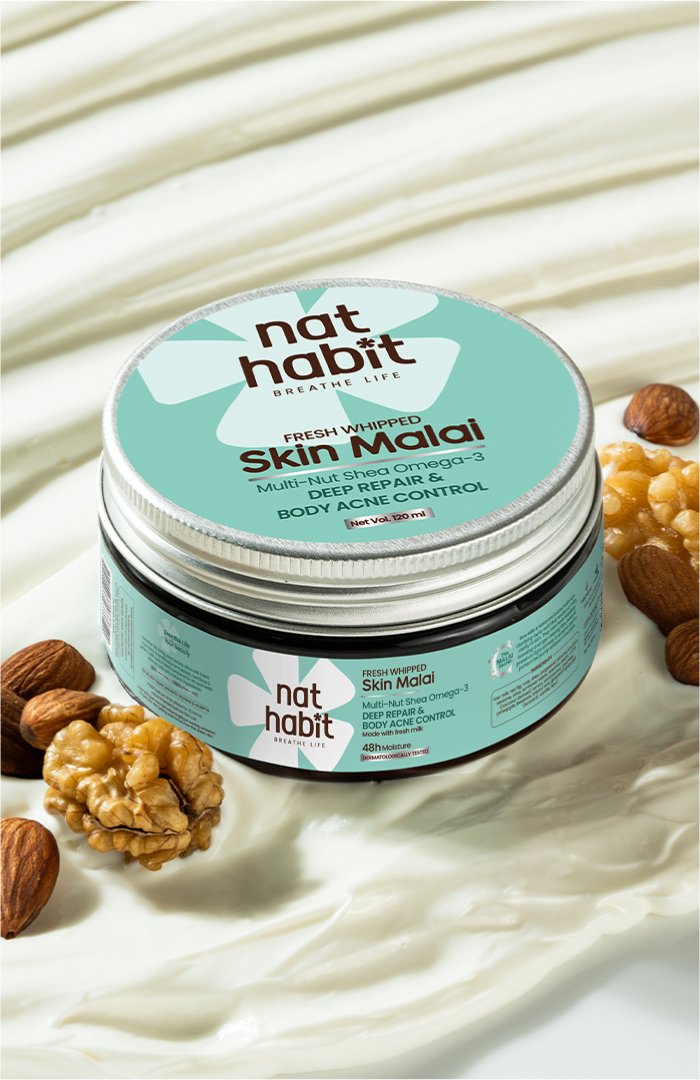
Nat Habit, an Indian beauty and wellness brand, produces approximately 115 tons of packaging material annually across formats, including bottles, tubes, pouches, and secondary shipping materials. The company has developed a strong sustainability profile for its packaging and is focusing on shifting from virgin plastics and hazardous shipping material toward recycled and biodegradable alternatives.
In an interaction with Packaging South Asia, Gaurav Agarwal, co-founder, Nat Habit, said the company has significantly reduced its reliance on virgin plastic by transitioning a majority of its bottle packaging to recycled PET (rPET). Over the last 24 months, it has successfully integrated 41% PCR content across its overall plastic usage, a transition that has saved 48 tons of virgin plastic annually.
The company says it has eliminated plastic bubble wrap from secondary packaging, replacing it with engineered paper-based cushioning (honeycomb wraps and reinforced paper structures), which removes roughly 35 tons of plastic waste annually.
Nat Habit was established in 2019, building a differentiated beauty and wellness brand rooted in fresh ayurveda and science-backed formulation thinking. As the brand scaled, sustainability evolved from intent to infrastructure.
With its manufacturing operations based in Gurugram, the brand runs its fresh, small-batch production model in-house. Over the last few years, packaging volumes have grown steadily in line with business expansion, wider category adoption, and increased repeat consumption.
As volumes increased, the brand consciously re-engineered the packaging mix rather than simply adding more material. This includes a rapid transition toward recycled PET for primary packaging, the complete elimination of plastic bubble wrap in favor of paper-based protective packaging, and the adoption of multi-layer, food-grade materials that extend product stability without preservatives.
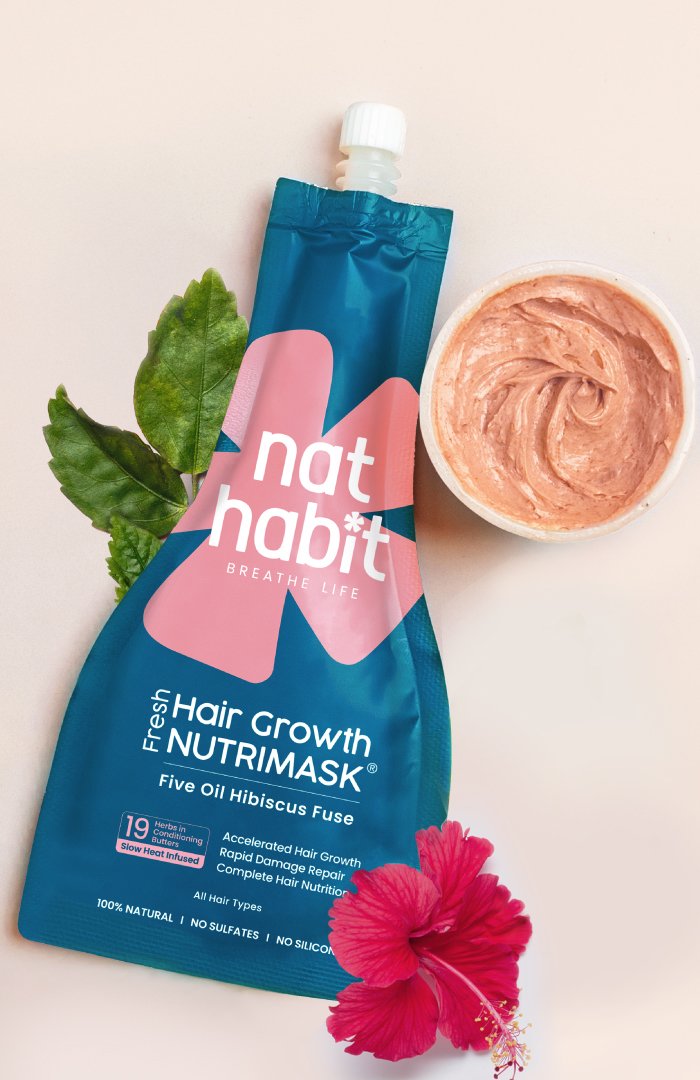
Agarwal explains that its most common formats include pouches, tubes, and bottles. Pouches use a food-grade aluminum barrier layer that protects formulations from light, temperature fluctuations, and external exposure, making them ideal for sensitive, preservative-free products.
Tubes, used for formats such as Tikta, conditioners, and hand malai, are built with 5-layer EVOH (Ethylene Vinyl Alcohol) protection, ensuring texture and performance remain intact over time.
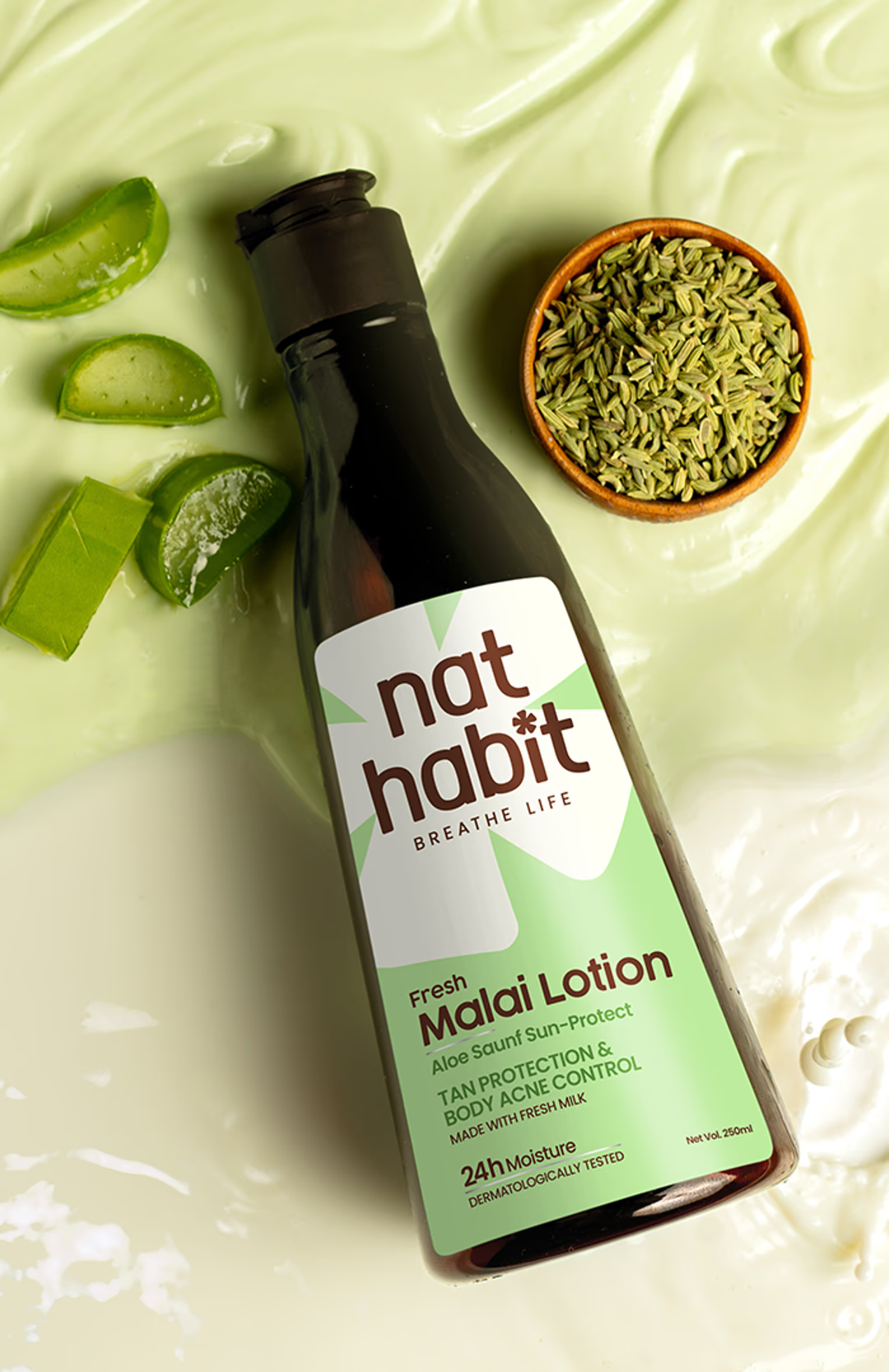
Bottles are designed with UV-protected material to safeguard light-sensitive formulations. For bottles, UV-protective polymer engineering is applied to block harmful light exposure that can degrade sensitive ingredients.
He adds that, depending on the product, batches are produced every alternate day to every 5-7 days, with turnaround timelines ranging from 12 to 48 hours, depending on the category.
Freshness is enforced through a tech-enabled shelf-life management system, where each batch carries a QR code with manufacturing and expiry data. Internal freshness windows are deliberately shorter than actual shelf life, ensuring only the freshest products are packed and dispatched.
On markets, he said, “We operate pan-India through a D2C-first model along with eComm and qComm channels, with demand coming from across tier 1 as well as fast-growing tier-2 cities. While our presence is nationwide, consumption patterns are not uniform; they reflect differences in lifestyle, urban stressors, routines, and evolving awareness around skin and hair health.”
At present, Delhi-NCR, Bengaluru, Hyderabad, and Mumbai emerge as its strongest markets for Nat Habit, supported by high digital adoption and a more evolved consumer mindset toward ingredient transparency and preventive care.
“We see consistent traction from cities such as Kolkata, Jaipur, and Lucknow, indicating a growing appetite for fresh, function-led beauty solutions beyond the top metros. Rather than segmenting markets purely by geography, we look at India through the lens of need states and behavior clusters,” he adds.
Nat Habit’s current priority is to strengthen capacity, automation, and process efficiency at the Gurugram facility to support growth while preserving the brand’s small-batch, freshness-first model. It is focused on expanding its paper-based shipping solutions and increasing the adoption of recycled materials across all its formats.
Looking ahead, the brand intends to introduce biodegradable and compostable alternatives for its most challenging formats, such as sachets, labels, and pouches. Strengthening end-of-life recovery systems and embedding responsibility into the full product lifecycle from sourcing to final disposal is also part of its process.
“Any future expansion, whether through additional capacity or new facilities, will be driven by sustained demand and the ability to maintain strict quality, traceability, and sustainability standards. The focus is on scaling systems before scaling footprint, ensuring growth never comes at the cost of product integrity or consumer trust,” he concludes.