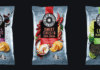
DS Group is a leading FMCG conglomerate in India present in food, beverage, mouth fresheners, confectionery, hospitality, agri, and other businesses. It also has two packaging units in Assam for its vast array of products. In an interaction with Packaging South Asia, Sanjay Gupta, senior vice-president, discussed the company’s sustainable initiatives, how to minimize its environmental footprint and empowering consumers to join the movement that will pave the path towards a sustainable future.
The group entered the packaging space in 2001 through a joint venture with Swiss major Canpac, opening a corrugated box division in Guwahati’s Bamunimaidam industrial area to bring eco-friendly packaging to India. A second plant in Bonda, located on Guwahati’s outskirts, was commissioned in 2007 to manufacture multi-layered flexible packaging.
The group believes in the idea of ‘less is more’ when it comes to packaging. “We are constantly evaluating ways to reduce the overall amount of material used or substituting to more sustainable means,” says Gupta. “We are analyzing the size and shape of our products to ensure the packaging perfectly fits its purpose, eliminating any unnecessary space and reducing the overall material consumption.”

The focus of the group’s packaging division, he says, is on exploring alternative, lightweight materials that offer exceptional durability. This reduces the amount of material needed without compromising product protection. “We are saying goodbye to excess air pockets and other void fillers. We are utilizing innovative design solutions and packing techniques to minimize empty spaces within the packaging,” he adds.
Embracing mono-layer materials
According to Gupta, DS Group is actively eliminating unnecessary layers whenever possible. This reduces material usage and simplifies the recycling process. Additionally, it is transitioning towards single-material construction wherever feasible, in the process enabling easier sorting and more efficient recycling streams.
Incorporating post-consumer recycled content (PCR) into packaging materials gives plastic bottles, paper cartons, and other used materials a second life, significantly reducing reliance on virgin resources. Procuring PCR materials becomes a relevant aspect of the group’s sustainable initiatives. “We are exploring ways to utilize pre-consumer waste, diverting industrial by-products from landfills and integrating them into our packaging,” Gupta says.
The group’s R&D division is continuously researching and exploring the use of bio-based materials such as bamboo and agricultural waste and promoting the use of environment-friendly alternatives.
Choosing the right material is a critical component as sustainable packaging goes beyond just the materials used. “We believe design plays a crucial role in promoting responsible consumer behavior. We incorporate design elements that promote recyclability or compostability by utilizing packaging materials that can be easily separated into their constituent components.”
Making informed choices easier
Gupta says providing clear and concise labeling on packaging that outlines recycling or composting instructions, empowers consumers to make informed choices and actively participate in the waste management process. Utilizing graphics and messaging to educate consumers on the importance of sustainable practices fosters environmental awareness and encourages responsible waste management habits.
“Empowering consumers is crucial to achieve our sustainability goals and we are committed to educating them on proper disposal methods. We are tailoring our packaging choices to the specific recycling infrastructure available in each region. This ensures that the materials used are readily recyclable by consumers, maximizing the impact of our efforts.”
In conclusion, Gupta said the DS Group is continuously researching, innovating, and implementing new sustainable practices. “By focusing on material efficiency, incorporating recycled and renewable materials, and empowering consumers, we can make a significant difference. We hope our efforts inspire other corporations to join the movement and work towards a future.”