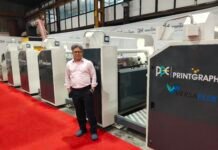
A couple of visits to the PlastIndia 2026 exhibition at the Bharat Mandapan reveal the significant petrochemical, plastic processing, product and industrial sectors seizing the market opportunity presented by the country’s resilient economic growth. The collective might and resources assembled are full of the sophistication and complexity needed to leverage exports of raw materials, equipment, services, and finished products, including packaging and packaging materials.
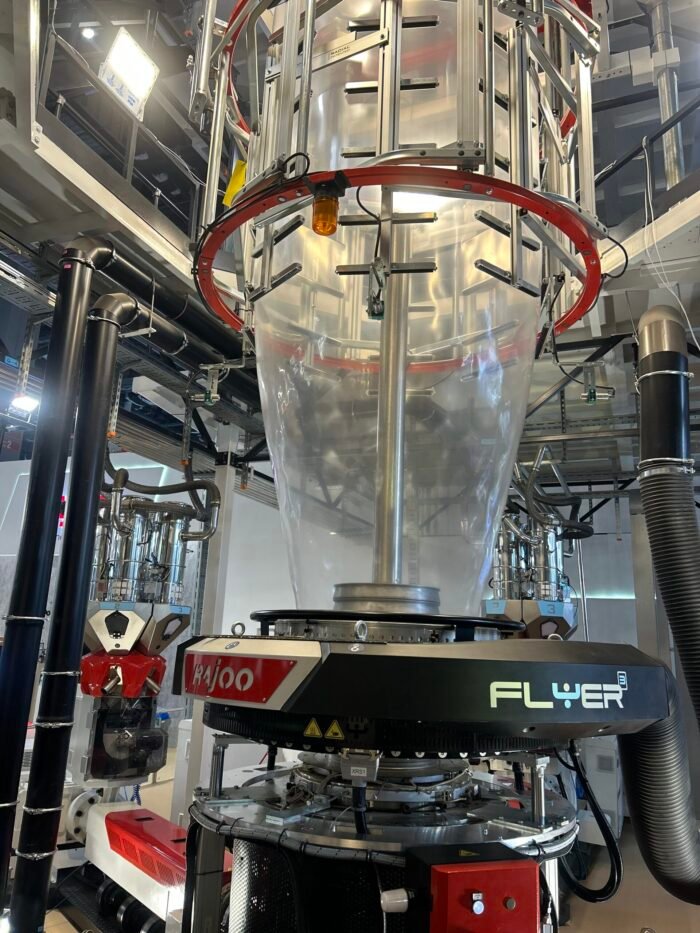
In the packaging sector, we meet several Indian companies that have built or purchased manufacturing plants in Europe for high-technology presses and films. We meet the manufacturers of blown film lines, slitter rewinders, gravure and CI flexo presses with increasing footprints overseas. What is interesting is that these companies are not merely exporting a high level of technology for flexible packaging, but that they are offering globally competitive levels of complexity and new products that are breakthroughs in terms of process efficiency and energy savings.

Another feature of the exhibition is that several exhibitors are no longer just distributing a single leading global brand or product but building portfolios with locally manufactured and innovative machines and accessories that opportunistically pinpoint the gaps in the packaging production workflow. One can see that almost every Indian supplier at the show is global, not only a distributor of European, Japanese, American, or Middle East products but also simultaneously, an exporter of either raw materials, ancillary equipment, or services.
Conversely, all the European, American, Japanese, and Gulf suppliers are present not only in name but with their senior personnel and top executives. They are here to participate in the deal-making, with signings each day, even when at times the customers are not quite ready for announcements. Deals that are public include that of Jupiter purchasing another set of four Hell engravers for their Sonepat plant. Other developments include the rigorous and successful customer trials of an Echaar CI flexo press going to Russia.
By and large, the global players admit that they must leverage not only the technical and skilled human resources of Indian industry but increasingly the sophistication of its engineering and component manufacturing sectors. The industry’s improvement in terms of technological capability and the buoyancy of the Indian market were apparent even before the announcements of the Europe-India FTA and the US-India tariff agreement of the past few days.
However, the strength and complexity of PlastIndia 2026 have digested these developments with both optimism and a maturity in perspective that says, “Yes, we see the opportunities, and it is certainly a positive sign that our commitment and work even under global constraints are being recognized.”
(This story was revised on 12 February 2026.)