Industry leaders recently gathered at the 6th International Summit for the Packaging Industry (ISPI), organized by the Indian Institute of Packaging (IIP), to discuss the future of packaging under the theme ‘Packaging 5S–AI’ in Delhi. The event brought together stakeholders from across the packaging value chain to discuss innovation, sustainability, and the role of emerging technologies in shaping the next generation of packaging solutions.
The summit focused on advancing packaging that is safe, secure, standardized, smart, and sustainable, while exploring the role of emerging technologies such as Artificial Intelligence (AI) in addressing evolving sustainability and regulatory expectations within the industry. Innovators unveiled a transformative approach to manufacturing and logistics that claims to significantly reduce the environmental footprint of global supply chains.
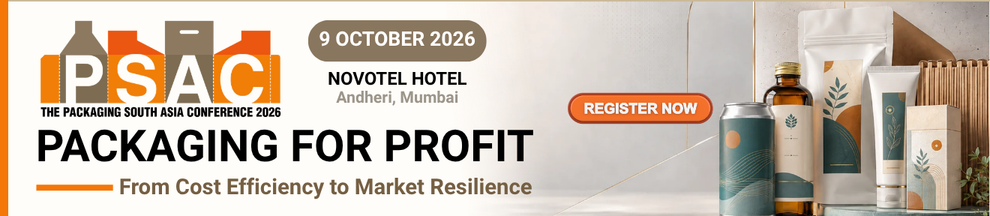
Animesh Jindal, assistant technical manager at Windmoeller & Hoelscher, presented a breakthrough in the design and production of packaging pouches. Through a new manufacturing process, the company has successfully reduced the use of virgin plastics by 80%. Furthermore, of the remaining material, 35% is sourced from recycled content.
“These high-performance pouches, enabled by Seigwerk’s functional coatings, are not just prototypes; they have been rigorously tested and are now ready for full-scale commercial application,” Jindal said.
He emphasized that by embedding AI directly into the machinery, the “black box” of maximum efficiency is finally being opened. This technology allows machines to self-diagnose their own capabilities, communicate specific steps to increase output, and optimize performance by 20% or more with the simple press of a button.
He adds, “This level of automation removes the hesitation and safety concerns that often prevent human operators from pushing machines to their full potential. The result is a more consistent, high-quality output that benefits every link in the supply chain.”
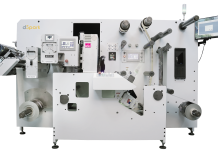
UFlex, a global leader in packaging and solutions, talked about its extensive range of specialized machinery and sustainable technologies at its stand during the conference. Key technology highlights from UFlex included high-speed slitting machines capable of reaching 600 meters per minute and sophisticated laminators.
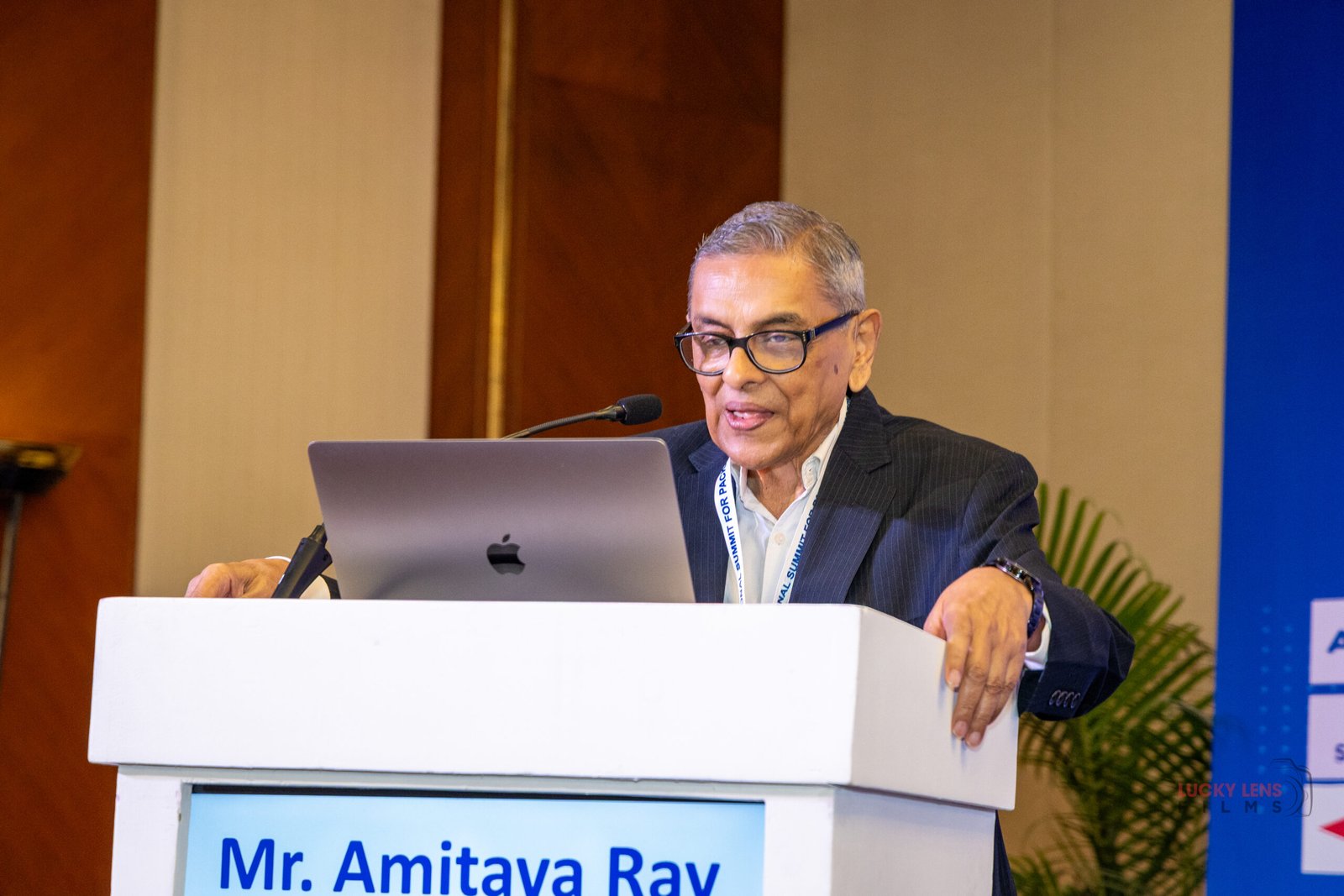
The company also talked about its expertise in cylinder manufacturing, both electronic and laser-engraved cylinders, as well as specialized flexo plates and an array of chemicals, inks, adhesives, and coatings. Amitava Ray, former executive director, UFlex, spoke as a veteran industry expert about the overall situation and concerns of the flexible packaging industry.
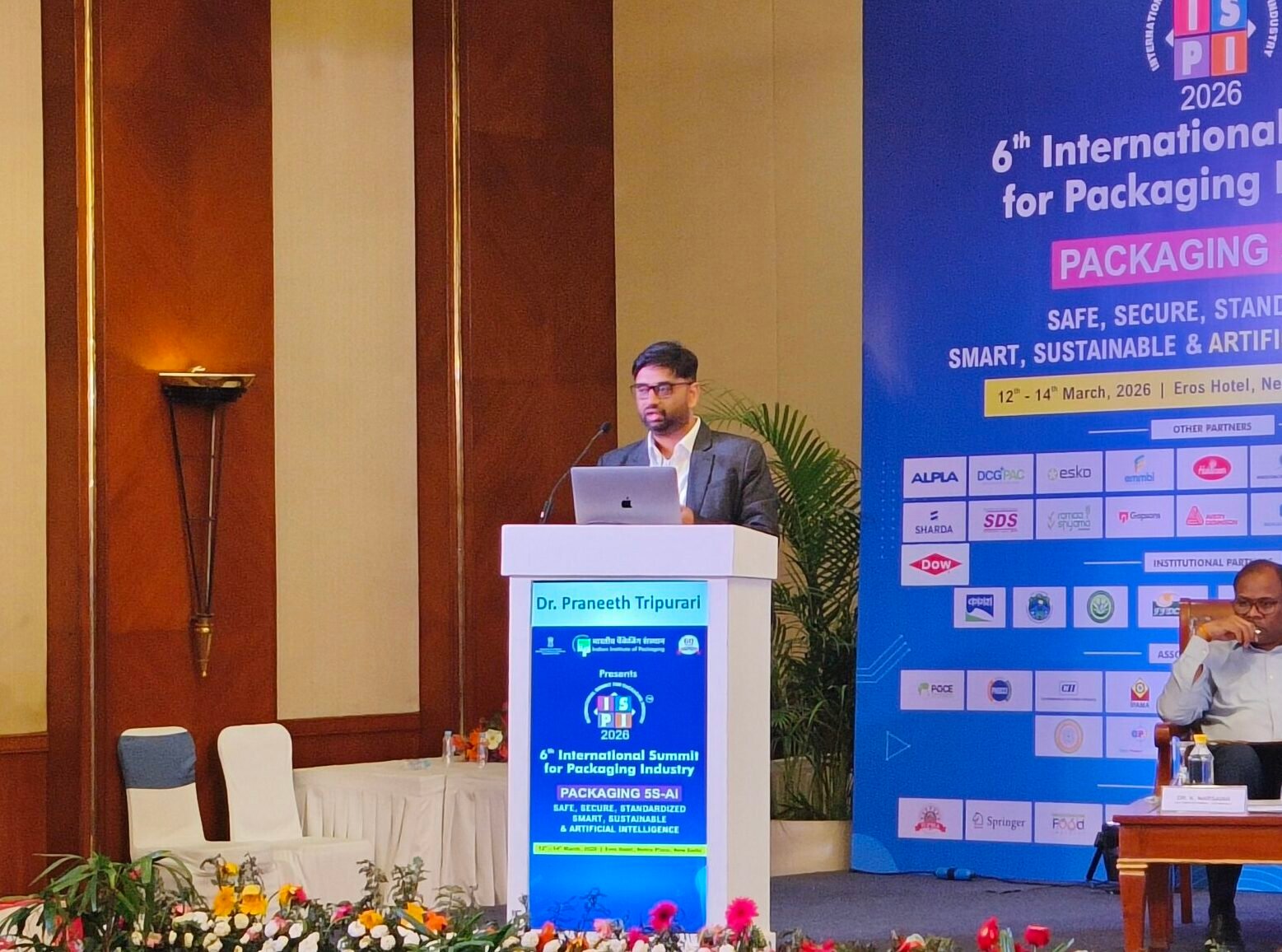
Praneeth Tripurari, marketing director of the South Asia region, Tetra Pak, discussed innovation in packaging formats as a primary driver of growth in the modern market. “Today’s consumers are not just looking for functional storage; they seek products that are visually appealing and offer an indulgent experience. Research indicates that 43% of consumers consider a visually striking drink to be a form of indulgence,” he said.
To meet this demand, Tetra Pak is evolving its packaging designs while balancing the critical aspects of safety and sustainability. The surge in qCommerce and eCommerce models has also presented new challenges and opportunities, requiring packaging that can withstand rapid delivery while maintaining product integrity.
The company is working towards a fully recyclable package with the lowest possible carbon footprint. Currently, the aseptic cartons it manufactures are composed of layers of paper, polyethylene, and aluminum that cannot be laterally recycled since this would first require separating the layers.
“The plan ahead involves optimizing these materials based on the specific needs of different product categories. For instance, dairy products might require different barrier properties than juices or spirits, allowing for a reduction in the use of plastics and aluminum and an increase in paper content where feasible,” Tripurari added.
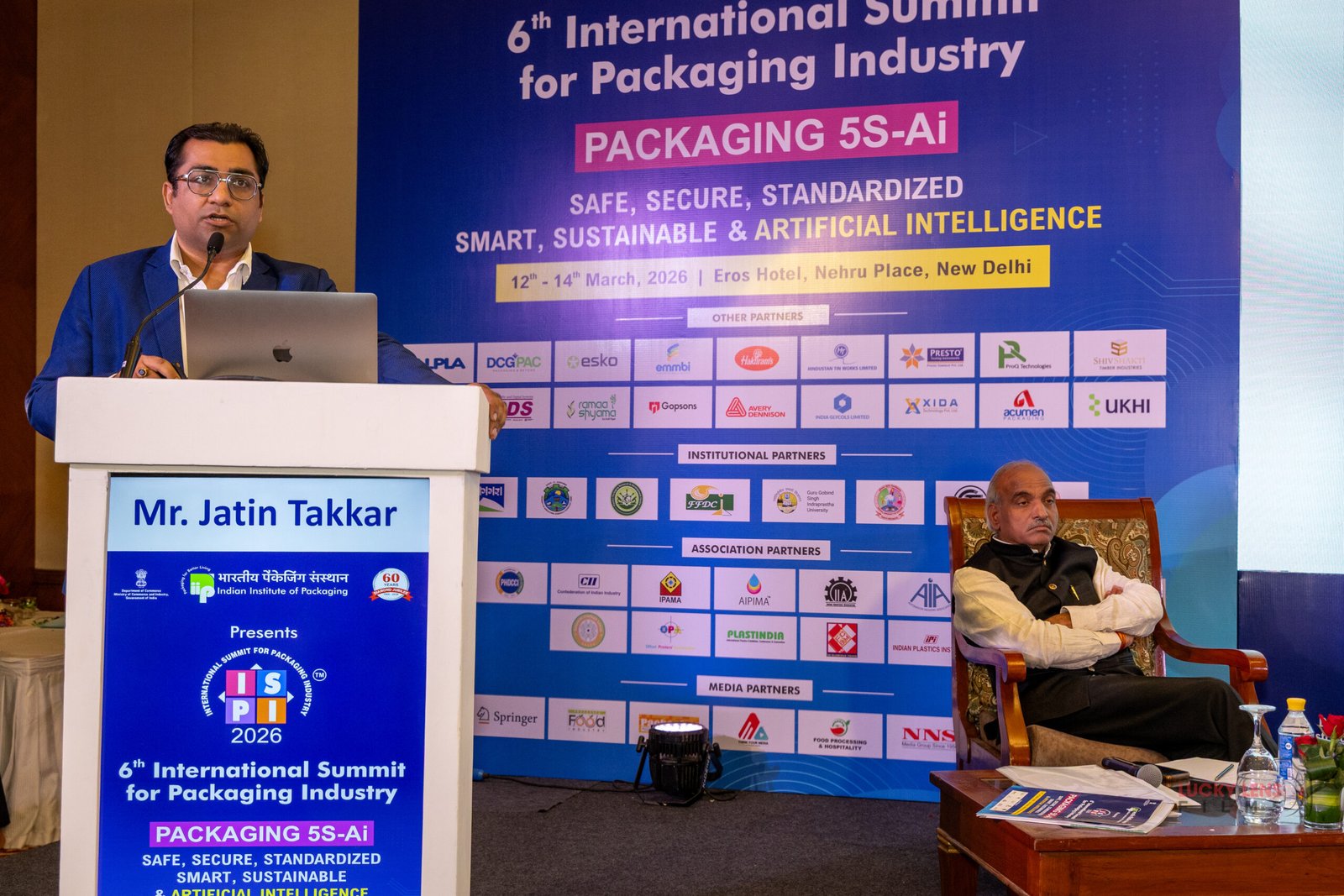
Jatin Takkar, speaking for ink and coating manufacturer Siegwerk, talked about bridging the gap between traditional packaging and the circular economy in his presentation. One of the primary challenges in moving toward more sustainable, monomaterial packaging is maintaining the functional performance previously provided by complex, multi-layer structures. Siegwerk’s new CircuFlex line addresses this by offering specialized coatings that provide necessary barriers without compromising recyclability.
Siegwerk highlighted the critical need to move away from polyvinyl chloride (PVC) in inks. While PVC has been widely disregarded globally due to the release of toxic dioxins during processing and its negative impact on recyclate quality, it remains prevalent in the Indian market, where an estimated 80% or more of gravure inks are still PVC-based.
The company says that a major hurdle in recycling flexible packaging is the presence of inks and the difficulty of separating laminated layers. Siegwerk introduced CircuPrime, a specialized primer that allows for the effective delamination and de-inking of structures during a caustic wash. In a case study involving a full polyethylene (PE) pouch, the application of CircuPrime created breaking points that allowed layers to separate cleanly, resulting in a much higher quality of recyclate.