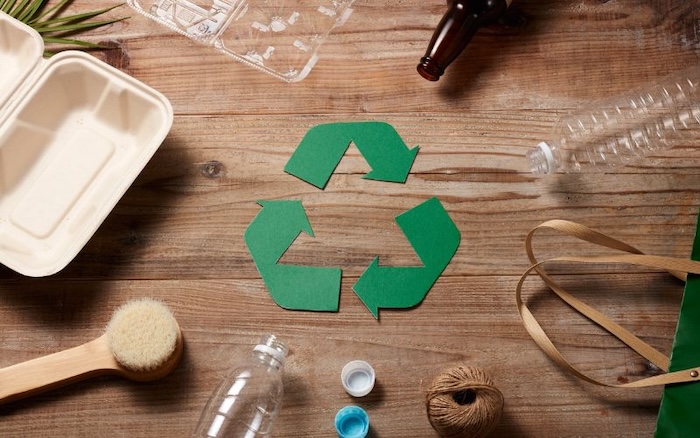
India’s beverage industry has expressed concerns over the availability of food-grade recycled polyethylene terephthalate (rPET) required to meet regulatory targets, even as recyclers maintain that they are ready to handle the shift and dismissed fears about under-capacity.
Under the Plastic Waste Management (Amendment) Rules, 2026, which Packaging South Asia has written about, effective April 1, brands using rigid plastics classified as Category 1, including PET bottles, must use 40% recycled PET content in packaging from FY2026-27. In addition, companies have to carry forward any shortfall from the FY25-26 obligations of 30% recycled content, subject to specified conditions.
Industry bodies representing beverage makers say the current supply of food-grade recycled PET may not be adequate to meet these combined requirements.
In a recent letter to the union environment ministry, the PET Packaging Association for Clean Environment (PACE) urged the government to align targets with the availability of Food Safety and Standards Authority of India (FSSAI)-approved recycled PET facilities and consider concessions for carrying forward pending obligations.
According to PACE, not enough food-grade recycled PET is available to meet the targets. It said post-consumer PET bottles in India have traditionally been used as raw material by the man-made fiber industry, and this demand would continue even as the packaging sector draws from the same pool – placing additional pressure on already limited resources. Demand from the textile sector and exports are worsening the situation, it said.
The association said not all FSSAI-approved recycling capacity is available for food-grade packaging applications under extended producer responsibility (EPR) Category-1 compliance. A portion of recycled PET is exported for use in cosmetics and pharmaceutical packaging, while some is utilized domestically in non-food applications. These factors, according to PACE, constrain the supply available for beverage packaging.
As per estimates cited by the industry body, the availability of food-grade recycled PET is around 3.54 lakh tons, whereas the requirement to meet the 40% mandate in FY27 is projected at 6.84 lakh tons. In light of this gap, they have requested a reduction in the mandated recycled content target for FY27 until sufficient quantities become available.
In fact, ever since the FSSAI first notified guidelines for the use of food-grade rPET in food and beverage packaging in June 2025, beverage and FMCG players have been saying the targets are impractical because of recycling infrastructure limitations, material shortage, and potential cost increases. The government did not budge and released the guidelines.
The government recently notified the final guidelines mandating 40% recycled content in food-grade packaging, effective 1 April 2026, days after FSSAI granted authorization to 17 recycled PET manufacturing plants.
FSSAI had approved four decontamination-based recycling processes – super-clean; melt-in; paste-in; and chemical recycling. Conventional recycling methods without proper decontamination have been prohibited.
Recyclers allay rPET fear
Recyclers, however, have countered these concerns, asserting that the industry is prepared to meet current and future requirements. The Association of PET Recyclers (APR) Bharat said the sector has the necessary technology and approved capacity to support the transition to food-grade rPET.
According to Goutham Jain, director general, APR Bharat, the 17 recently approved FSSAI-approved food-contact rPET plants in India have a combined capacity of approximately 3 lakh tons. This capacity, the association said, is sufficient to meet the 40% recycled content requirement for FY27, including any additional carry-forward obligations of up to 10% from the previous year.
Jain told Packaging South Asia that capacity expansion is underway. APR Bharat members are expected to scale up food-grade rPET capacity to around 7.5 lakh tons by March 2027. This increase is intended to support the FY26-27 mandate and future targets, which rise to 50% in FY27-28 and 60% by FY28-29.
In an email response, Jain emphasized that significant investments—exceeding ₹9,000 crore—have already been made in recycling infrastructure, including advanced technology, plant facilities, and safety systems. Regulatory clarity provided by the amended rules and FSSAI approvals has improved investor confidence by ensuring demand visibility, he said.
The recyclers’ body highlighted broader implications of the transition, including reduced dependence on imported virgin PET and greater resilience in domestic supply chains amid global uncertainties.
“Virgin PET availability and prices can be affected by external shocks. A strong domestic r-PET ecosystem gives India a stable local source of raw material. It can reduce dependence on imported virgin PET and make the packaging supply chain more secure,” Jain said.
It pointed to the role of the informal sector, noting that a substantial portion of PET collection in India is carried out by waste pickers, whose incomes are closely tied to plastic waste.
According to Jain, the key challenge is not capacity but implementation. “Consistent adherence to mandates by brands and effective compliance monitoring will be critical to ensuring the success of the transition to recycled PET in packaging, he said.
“Under the Plastic Waste Management Rules 2022, India, brand owners were entrusted with the responsibility of actively building and supporting recycling capacity in partnership with recyclers. Unfortunately, instead of strengthening this collaboration, we are witnessing increasing pressure to defer mandated targets,” Jain said.
Despite the claims and counterclaims, independent analysts feel closing the food-grade rPET gap will require major upgrades to recycling infrastructure, better collection systems, industry collaboration, and possibly better phased targets, as current supply limitations make strict compliance challenging.