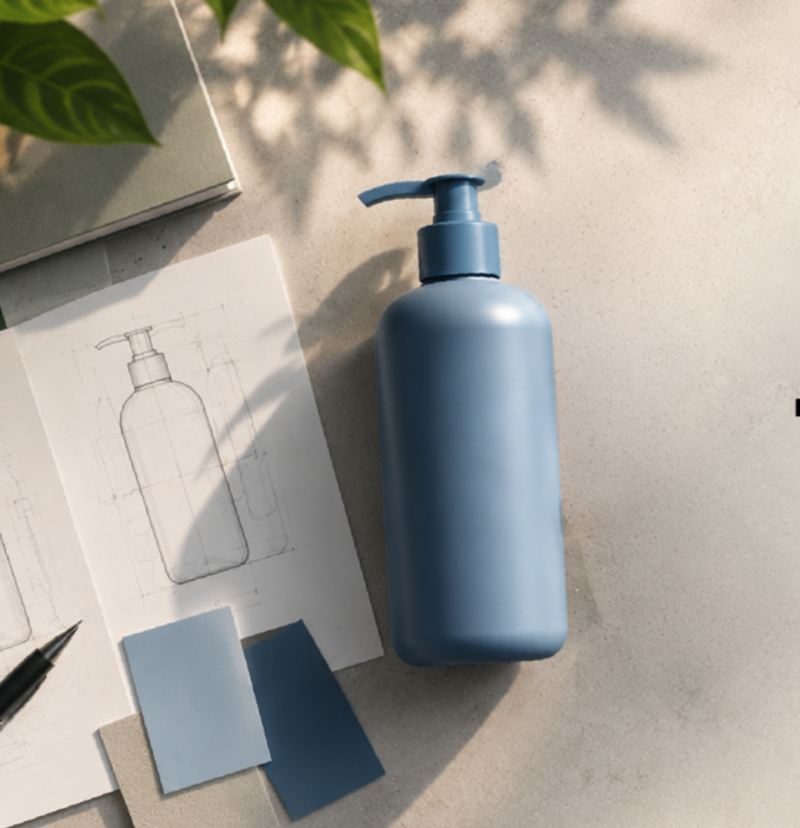
In India, packaging makes up 56% of all plastic used, with rigid formats like bottles, tubs, and jars accounting for nearly a third of that market. High-Density Polyethylene (HDPE), common in personal care, household cleaning, and lubricants, should be one of the easier polymers to recycle when it is designed as a clean, compatible pack.
However, current packaging formats are often far more complex, with barrier layers such as EVOH, nylon, metallized films, incompatible sleeves, or specialty additives added for performance and shelf appeal. So around 95% of plastic packaging value is lost globally after a single use.
The issue is not collection alone; many bottles are recyclable in theory but fail in practice. An unremovable glue, an incompatible label, a bleeding ink, or a difficult-to-separate multilayer component can quickly turn a high-value bottle into low-grade waste.
The EPR challenge and the recycled plastic shortage
Under India’s Plastic Waste Management Rules, Extended Producer Responsibility (EPR) mandates require brands to use minimum percentages of post-consumer recycled (PCR) plastic in rigid packaging. Missing these targets leads to formal environmental compensation penalties from regulators.
At the same time, brands often face a major hurdle: there is not enough high-quality recycled HDPE available to buy. This shortage starts on the packaging design line. When packaging teams specify multi-color or hard-to-match shades, non-washable glues, problematic shrink sleeves, in-mold labels that cannot be separated cleanly, or inks that are not recycling-compatible, they lower the quality of the recycling pool.
This becomes especially difficult in beauty and personal care categories, where pastel and multi-color packs are often expected but are tough to reproduce consistently with high PCR loading. Designing clean HDPE packaging protects the supply chain. Clean bottles collected today ensure a steady, affordable supply of high-grade recycled plastic tomorrow, helping to meet EPR rules without risking penalty fees.
Core principles for circular design
To make rigid packaging that turns back into premium material, design must align with how recycling plants sort, clean, and reprocess plastic. These choices also help brands secure better-quality PCR from recyclers: when bottles move cleanly through sorting belts and wash tanks, recyclers can produce material that is more consistent, less contaminated, and easier for brands to use again in their own packaging.
- Protect natural float separation: Plastics like HDPE and Polypropylene (PP) are lighter than water, meaning they naturally float in wash tanks. Heavy contaminants like PET, PVC, and dirt sink to the bottom. Any additive or part that stops HDPE from floating breaks the recycling process.
- Keep materials in the same family: Use the same or compatible polyolefin plastics (HDPE and PP) across the bottle body, cap, and label to avoid cross-contamination.
- Treat clear resin as high value: Clear, natural, or lightly tinted HDPE retains the highest recycling value because it can be dyed into many new shades. Heavy pigmentation, multi-color formats, and difficult pastel shades reduce flexibility and can lead to downcycling, where the material can only be used for lower-value grey, black, or muted products instead of premium packaging.
The practical HDPE Design Checklist
To make sure an HDPE container creates clean, usable recycled flakes, look closely at these key packaging elements:
1. Labels and Sleeves
- DO use labels made from PE or PP films that remain compatible with HDPE during the wash process. Where a full-sleeve approach is needed to manage color-matching concerns or to hide visual specks at higher PCR loading, choose recyclable polyolefin sleeves and design them so sorters can still identify the bottle material.
- DON’T use full-body PVC or PET shrink sleeves on HDPE packs. PVC can release chlorine when heated; when absorbed in water, this can form hydrochloric acid that is harmful to equipment and personnel. PET and PVC sleeves can also introduce plasticizers such as phthalates, create compliance risks, and hide the bottle from sorting sensors, causing otherwise good HDPE to be rejected.
- DON’T use paper labels that do not come off cleanly. In hot wash tanks, paper turns into a wet pulp that sticks to the plastic flakes and burns during extrusion, causing visible defects in the final recycled pellets.
- Adhesives
- DO choose water-soluble or alkali-soluble glues that wash away completely in warm water (60°C to 80°C). A clean wash leaves the plastic flake bare and free of sticky residue.
- DON’T use permanent glues that stay stuck to the plastic. Leftover adhesive discolors the resin, creates burnt smells during remelting, and attracts dirt.
- Inks and Printing
- DO print your designs onto the label instead of directly onto the plastic body. Use recycling-compatible, non-toxic, heavy-metal-free, and bio-friendly inks that remain on the label during washing, do not bleed into the wash water, and are suitable for existing water treatment systems.
- DON’T print directly onto the HDPE bottle unless the ink is formulated to wash away completely in hot wash tanks and can be handled by current effluent treatment systems. Avoid inks that bleed, stain clear plastic flakes, or the introduction of non-sustainable chemicals into the recycling and water-treatment process.
- Caps, Dispensers, and Fillers
- DO pair HDPE bottles with uncolored or light-colored polyolefin caps (PP or HDPE). If using a PP cap, keep its weight below 10% of the total pack weight to keep PP contamination within safe limits.
- DON’T use lotion pumps with internal steel springs. Metal parts damage shredder blades, clog molding machines, and react with wash chemicals. Choose all-plastic, mono-material pump dispensers instead.
- DON’T add heavy mineral fillers like calcium carbonate (CaCO3) in large amounts. Too much filler makes HDPE heavier than water, causing it to sink to the bottom of wash tanks and get thrown out by mistake.
Closing the Loop by Design
Meeting EPR rules should not just be about buying recycling credits to avoid fines. It requires making packaging that can actually be recycled into clean, reusable material. When packaging is designed to move cleanly through sorting belts, wash tanks, and extrusion lines, recyclers can produce clean, consistent, high-grade PCR. That means better supply, stable pricing, and easier EPR compliance for brands.
It also creates a stronger loop between brand owners and recyclers: better design gives recyclers better feedstock, and better feedstock gives brands better material for future packaging. Poor design, on the other hand, forces recyclers to use extra water, chemicals, and sorting effort just to recover low-grade material.
Circularity is not about adding a green logo to your label. It is about simple, intentional engineering choices made before the packaging ever hits the production line.
References
https://www.indiaplasticspact.org/uploads/1701777457document.pdf
https://www.indiaplasticspact.org/uploads/1702704382document.pdf
First published by Banyan Nation and reproduced by permission.