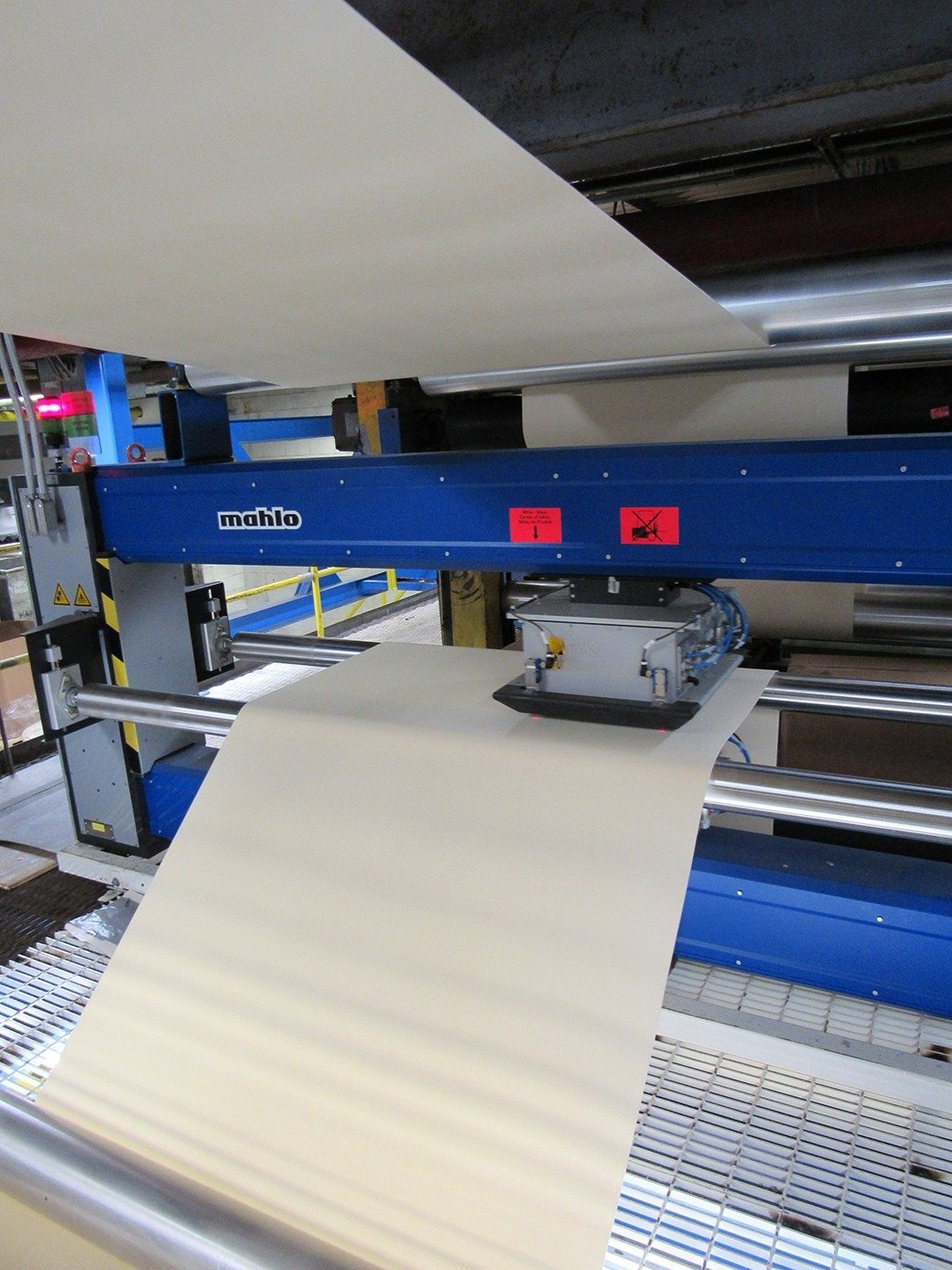
Even minor thickness deviations can quietly erode profitability through material waste, quality inconsistencies, process instability, and customer complaints. Modern inline measurement systems help manufacturers uncover these hidden costs and improve operational performance.
In film and sheet extrusion, production efficiency is typically associated with throughput, raw material consumption and energy costs. Yet one factor often remains underestimated: thickness variation.
For decades, Mahlo has supported manufacturers to improve process transparency and production performance. Its web gauging system Qualiscan QMS provides real-time visibility into critical quality parameters, helping producers identify deviations early and maintain tighter process control.
A deviation of only a few microns may seem insignificant. However, across thousands of tons of annual production, even small variations can noticeably affect profitability. Thickness control is therefore not only a quality parameter but also an economic one.
Overgauging and other hidden losses
To avoid producing material below specification, many manufacturers operate with safety margins. The result is often overgauging, where products are consistently thicker than required. While this reduces the risk of non-conforming material, it also increases resin consumption and production costs.
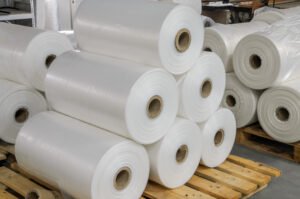
In high-volume production environments, these additional microns quickly add up. Even a slight increase in average thickness can translate into significant annual resin costs. Reducing unnecessary overgauging therefore improves both profitability and sustainability.
Thickness variation ca lead to scrap, rework and productivity losses. Material outside specification may require downgrading, reprocessing or rejection, consuming additional resources and machine time. The impact often extends beyond the extrusion line: variations can affect printing, lamination, thermoforming and sealing, increasing the risk of customer complaints.
Thickness fluctuations may also indicate underlying process issues such as uneven melt distribution, temperature variations, die contamination or component wear. Without sufficient process visibility, identifying and correcting these causes can be challenging.
Why process transparency matters
Traditional offline measurements provide only snapshots of production. Variations between measurements may remain unnoticed until large quantities of material have already been produced.
Inline measurement systems offer a different approach. By continuously monitoring thickness profiles across the entire web width, they provide real-time insight into process performance. Operators can identify trends earlier, react faster to deviations and maintain tighter quality control. This improves material utilization, reduces waste and supports more stable production.
Choosing the right measurement technology
Not all materials can be measured using the same sensor principle. Different products, layer structures and process requirements demand different technologies. Modern quality management systems therefore employ a range of measurement methods, including beta, X-ray, laser and infrared technologies. Each offers specific advantages depending on the material and application.
Beyond measurement, advanced systems can also support automatic profile correction. At Mahlo, this includes Automatic Profile Control (APC) for thermal bolt dies and automation solutions for mechanically adjusted dies, such as restrictor bar adjustment systems. By automatically compensating for profile deviations, these technologies help maintain tighter tolerances, reduce operator intervention and accelerate stabilization after start-ups or product changes.
A key strength of Qualiscan QMS is its ability to combine measurement and control within a single platform. Together with Mahlo’s broad sensor portfolio, manufacturers can select the most suitable technology for their application while supporting stable production, efficient resource utilization and consistent product quality.
From measurement to process optimization
As manufacturers face growing pressure to improve efficiency, reduce waste and meet higher quality expectations, thickness measurement is becoming more than a quality-control function. The real value lies in transforming production data into actionable improvements. By helping manufacturers identify sources of variation and optimize process performance, Mahlo supports greater productivity, quality and competitiveness.
In an increasingly demanding market, understanding and controlling thickness variation is no longer simply a quality issue. It is a strategic opportunity to improve profitability and strengthen long-term competitiveness. After all, when thousands of tons of material are involved, every micron truly matters.