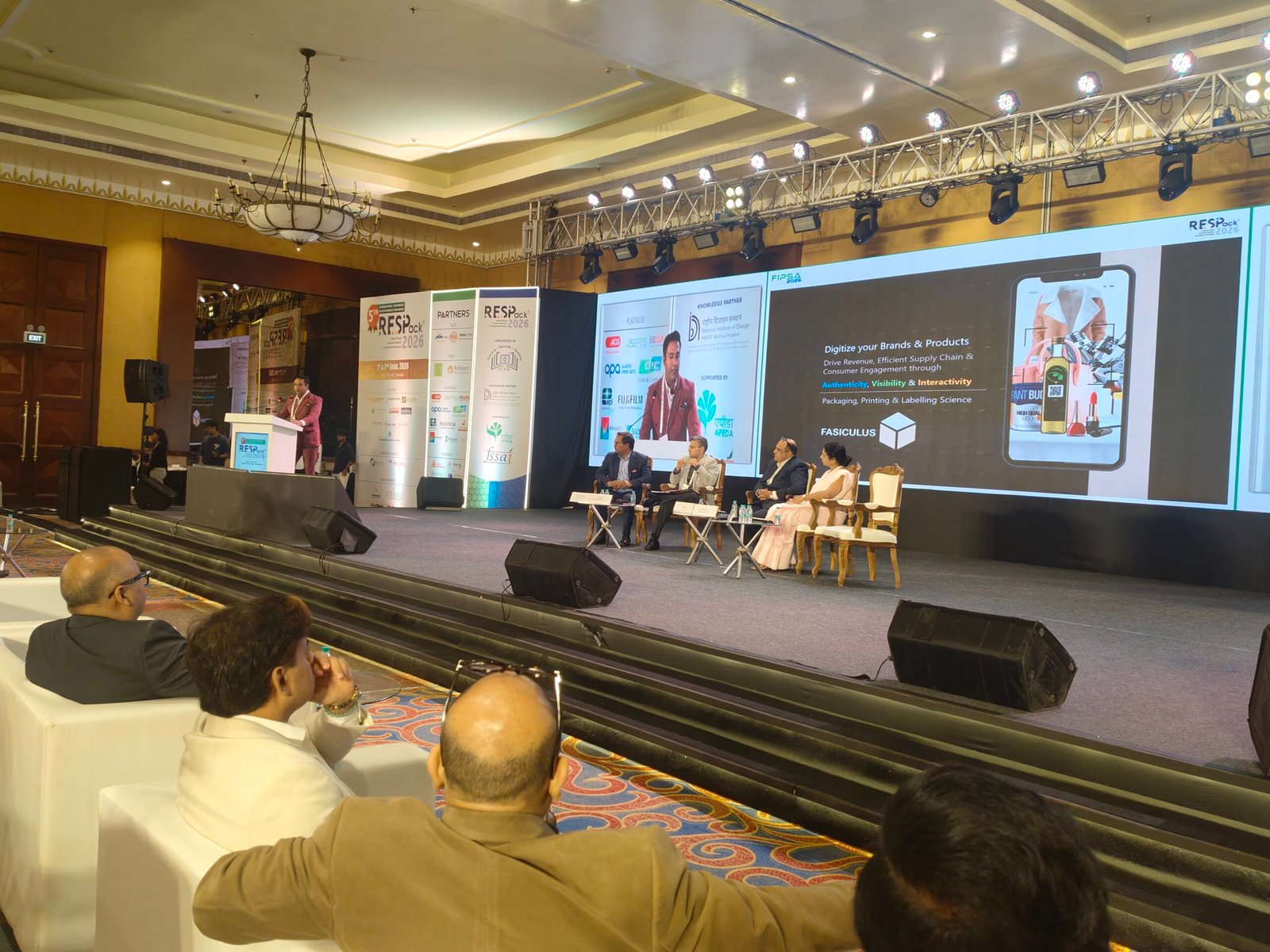
Packaging technology company Fasiculus used the Respack 2026 conference in Mumbai to showcase how digital technologies, security features and data-driven packaging solutions are helping brands combat counterfeiting, improve supply-chain visibility and strengthen consumer engagement.
Speaking at the event, Ranesh Bajaj, co-founder of Fasiculus, part of Vinsak Group, said the company was established to work directly with brand owners after years of operating primarily through packaging converters. He said many packaging innovations were often diluted before reaching the end user, prompting the company to engage more closely with brands to develop customized solutions.

According to Bajaj, anti-counterfeiting strategies require a tailored approach based on the value, volume and risk profile of individual products. Security features can be integrated at multiple levels, including specialized substrates, package design elements and digitally enabled identification systems.
He highlighted the growing role of tax stamp programs and secure QR codes in protecting products and increasing government revenues. Fasiculus is currently involved in excise and tax-stamp projects across India and internationally, including deployments in around 40 countries. The company has supported the introduction of color QR code systems in certain Indian states to strengthen authentication and traceability in regulated sectors such as alcoholic beverages.
Bajaj argued that the packaging industry often places excessive emphasis on aesthetics while underinvesting in functionality. He cited developments in healthcare packaging and wearable medical devices as examples where packaging design and engineering play a critical role in product performance and user experience.
Jatin Talwar, representing Fasiculus’ digital solutions business, outlined the company’s strategy of combining physical packaging with digital technologies to create what he described as an integrated consumer and supply-chain engagement platform.
The company’s system uses unique variable QR codes linked to cloud-based microsites that enable consumers to verify product authenticity without downloading a dedicated application. The platform can identify copied or duplicated QR codes and alert brand owners to potential counterfeit activity.
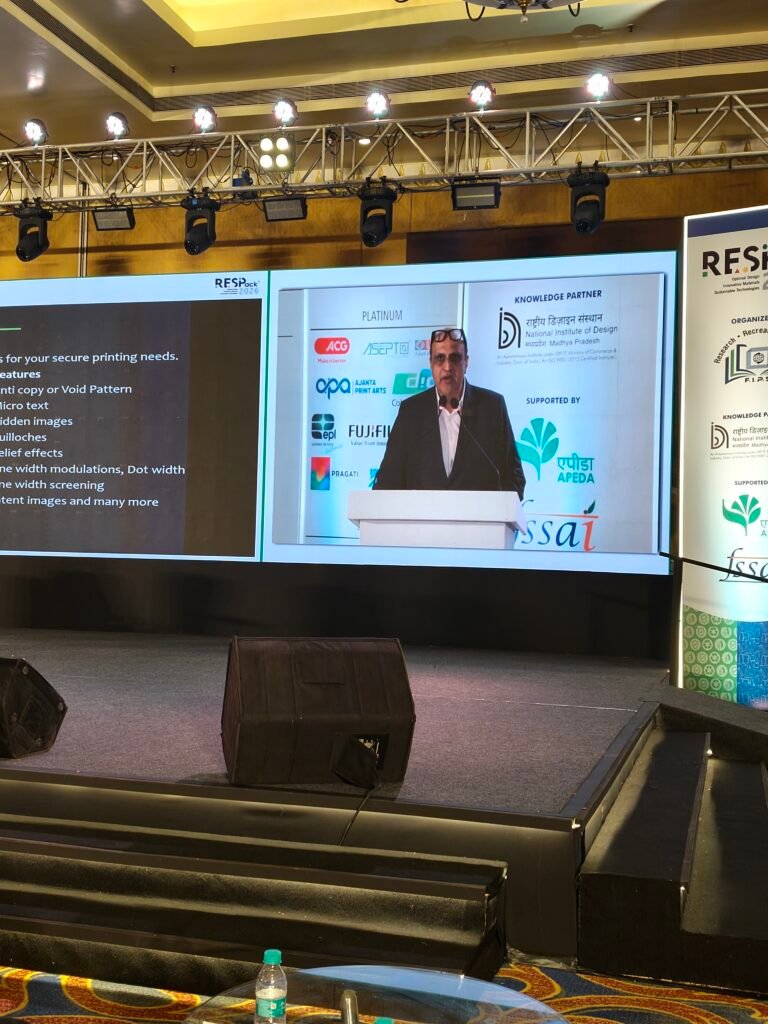
Beyond authentication, the technology allows companies to track products throughout the supply chain by monitoring movement from manufacturers to distributors, wholesalers and retailers. Geotagging and geofencing tools help brands identify stock diversion, improve inventory management and support first-in-first-out (FIFO) practices for products with limited shelf lives.
Talwar said one of the most underutilized opportunities in India remains consumer engagement through packaging. Data generated through QR-code interactions can provide brands with insights into purchasing behavior, regional preferences and product usage patterns, enabling more targeted marketing and product development.
He cited a pharmaceutical case study in which digital packaging was used to provide patients with medicine usage instructions, dosage information and symptom guidance, helping improve customer experience while supporting product sales.
Fasciculus has developed solutions across multiple sectors, including alcoholic beverages, paints, pharmaceuticals and industrial products. The company said it currently manages hundreds of millions of unique QR codes across Asia and the Middle East, while also helping manufacturers address issues such as counterfeit spare parts and product diversion.
The company emphasized that digital traceability, authentication and consumer engagement technologies are becoming increasingly important as brands seek stronger supply-chain visibility, improved customer interaction and more effective protection against counterfeit products.