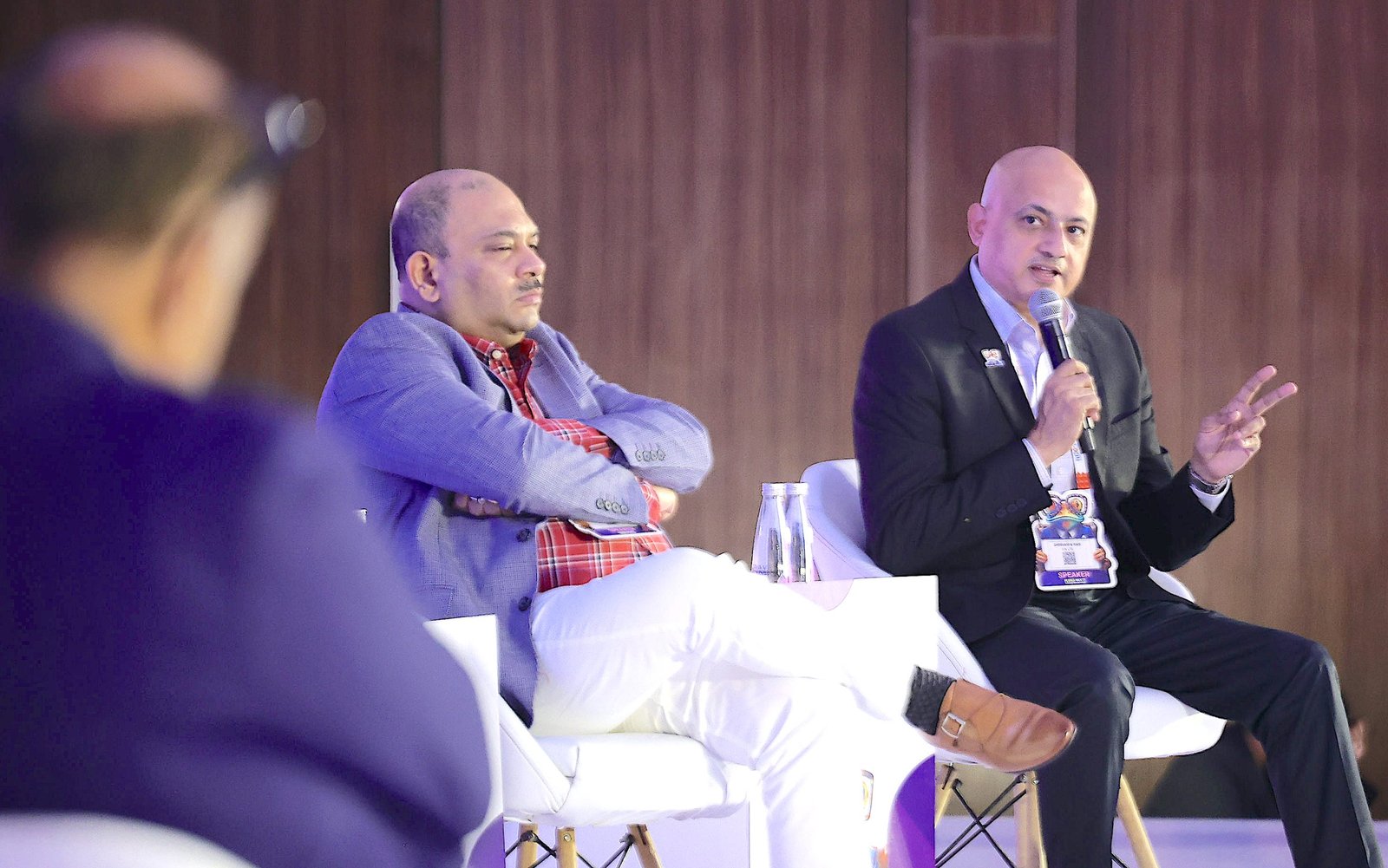
India’s packaging and converting sector is undergoing a structural shift as print converters rapidly adopt mid-web flexographic presses ranging from 600 mm to 900 mm in width. Highlighted during panel sessions at Flexo Summit Asia 2026 on 5-6 August in Bengaluru, this technology shift is reshaping how packaging is produced across the subcontinent, establishing mid-web flexography as a vital bridge between traditional label printing and industrial flexible packaging.
Historically, the Indian converting market remained polarized. Narrow-web presses under 450 mm were reserved strictly for pressure-sensitive labels, while massive wide-web central impression lines and rotogravure presses handled high-volume flexible packaging. Industry leaders at the summit noted that relying solely on narrow-web equipment increasingly limits a converter’s ability to respond to dynamic regional demand. Mid-web flexo has emerged as the ideal versatile middle ground, allowing converters to print medium-sized pouches, shrink sleeves, wrap-around labels, and paper bags with enhanced speed and efficiency.
This transition is being propelled by rapid changes across India’s fast-moving consumer goods (FMCG) and quick-commerce sectors. The proliferation of regional stock-keeping units, micro-campaigns, localized packaging, and seasonal promotional variants has compelled brand owners to shift away from massive production runs in favor of short-to-medium batch sizes. Traditional rotogravure printing, which relies on heavy capital investment, expensive engraved cylinders, and lengthy setup times, renders small orders economically unviable. Mid-web flexo eliminates this friction by enabling fast job changeovers, drastically reducing startup waste, and achieving rapid turnaround times.
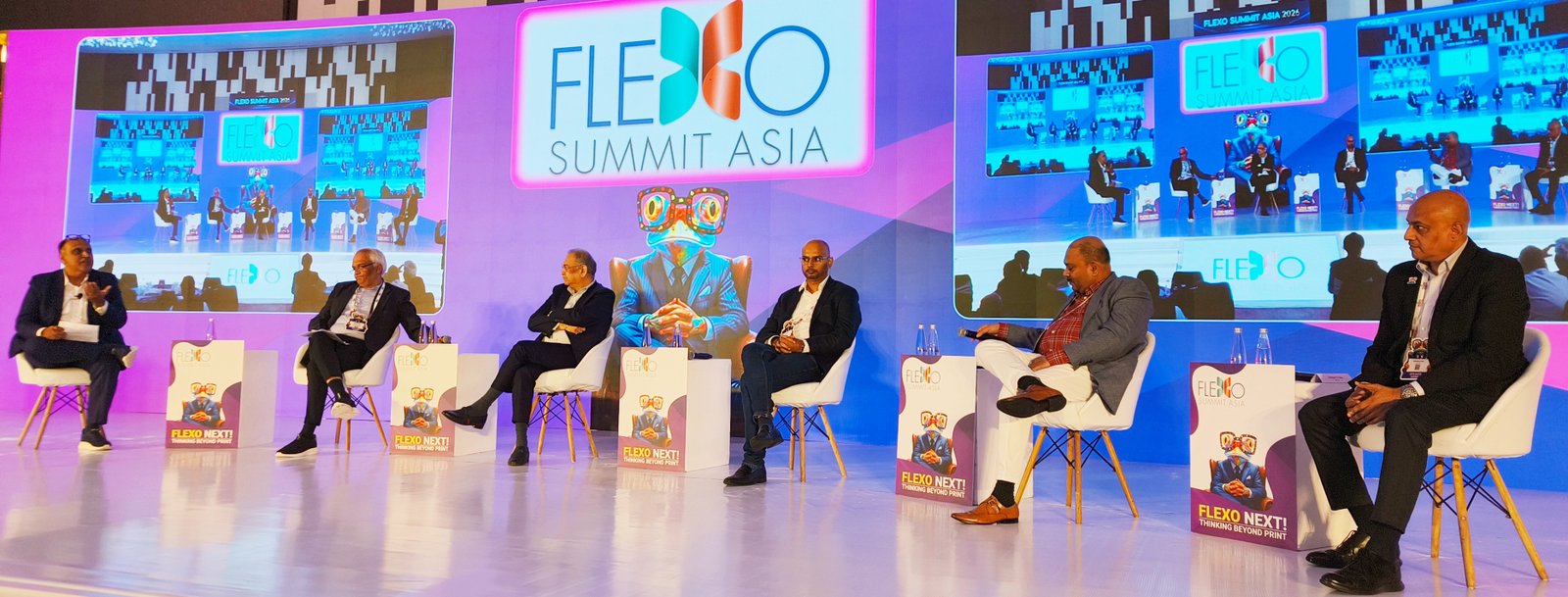
The conference’s ‘Driving the FORD’ (Flexo, Offset, Rotogravure, Digital) panel session examined the shifting competitive dynamics among major print technologies. Moderated by Ranesh Bajaj, CEO – Vinsak, the panel hosted Shrihari K Rao, president, global centre of excellence (beauty and cosmetics), EPL, Manish Desai, director – Mudrika Labels, Kaushik Nag, CEO Flexibles & CPP, Jupiter Laminators, Naipal Singh, labels & packaging business manager, HP India, and Sridhar Janardhana, head of packaging development, Pureplay Skin Science.
While rotogravure maintains a distinct advantage in cylinder durability and continuous press runs for high-volume products exceeding 100 to 200 tons, for global brands such as Nestlé’s Maggi or PepsiCo’s Lays, CI flexo technology has evolved dramatically. Breakthroughs in digital plate making, automated register controls, and Expanded Color Gamut (ECG) printing are closing the quality gap, making mid-web flexography fully comparable to gravure in aesthetic output while delivering far superior agility for mid-sized runs.
Mid–web flexo’s growth
Environmental regulations and capital efficiency are further accelerating mid-web flexo adoption. Tightening restrictions surrounding volatile organic compounds and solvent inks in traditional gravure lines have encouraged converters to embrace water-based and UV-LED flexographic inks. Additionally, the national drive toward sustainable paper packaging makes mid-web inline presses particularly compelling. These machines can process heavy paper substrates, perform inline die-cutting, finishing, and slitting in a single pass, and operate within a significantly smaller factory footprint at a fraction of the capital expenditure required by wide-web setups.
Despite its rapid rise, flexography faces key operational hurdles. The increasing regulatory mandate for post-consumer recycled content in substrates presents printing challenges, as recycled films can be delicate with inconsistent reproduction on flexo plates. Simultaneously, a severe shortage of skilled CI flexo operators, who command significantly higher wages than traditional rotogravure convertors, remains an industry-wide pain point. Equipment suppliers are addressing these talent gaps by integrating closed-loop color management systems and automated workflows, turning press operation from a manual craft into an automated, repeatable, and industrial practice.
Equipment manufacturers across India’s primary manufacturing hubs in Gujarat, Maharashtra, and the National Capital Region report a surge in inquiries for 600 mm to 900 mm mid-web configurations. For narrow-web label printers, mid-web provides a seamless entry point into flexible packaging, while for traditional rotogravure giants, it offers a cost-effective method to process short orders profitably. As brand owners continue prioritizing quality, speed-to-market, and sustainability, mid-web flexography is firmly establishing itself as a central pillar of India’s modern packaging infrastructure.