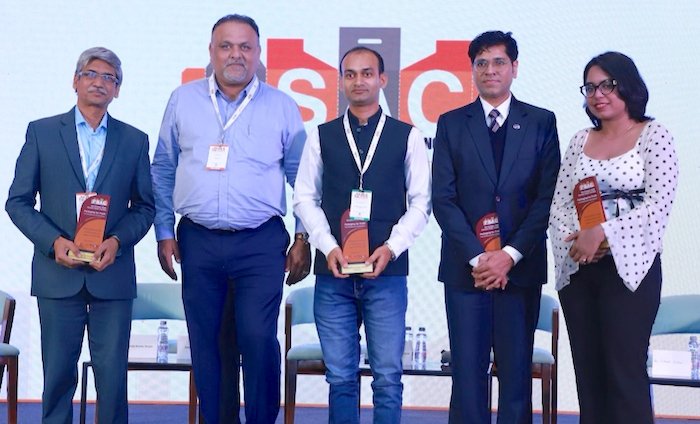
The afternoon session on Winning the eCommerce and qCommerce shelf – how packaging is evolving to enhance visibility, consumer experience, delivery efficiency, sustainability and profitability in the era of instant commerce, was moderated by Bhushan Namdeorao Yengade, founder of Binder Technology Consultancy and vice president of the CPRTTF. Yengade developed the keynote presentation’s theme, saying BTC’s research showed a distinct rise in environmental awareness among young citizens in the Tier 1 cities of the country.
“This demographic is increasingly analyzing product labels to verify the sustainability of their purchases, representing a positive shift toward conscious consumption. This trend is closely linked to the growing popularity of organic products, indicating that public health and environmental sustainability are becoming central concerns for urban households. The widespread appearance of the word organic on consumer goods reflects a broader market movement toward wellness and environmental transparency, forcing supply chain managers to rethink their sourcing strategies,” he said.

However, the rapid expansion of digital commerce has introduced specific challenges regarding material consumption and waste management. Yengade observed that because eCommerce removes the opportunity for consumers to examine a product before buying it, the physical package must serve as the primary indicator of quality upon arrival. This requirement often leads to over-packaging, which increases plastic waste in instant delivery systems. Addressing this issue requires a balanced approach that ensures product safety while reducing environmental impact.
The panelists examined the logistical challenges faced by eCommerce and qCommerce (quick-commerce) platforms operating in dense urban environments. Aakriti Goswami, Packaging Manager of Zomato, highlighted the technical measures and innovations required to eliminate food spillage during transit, ensuring that consumer goods arrive intact without relying on excessive plastic wrapping.
The growing interest in smart QR code systems also reflects a broader demand for supply chain transparency and consumer awareness. By adopting these digital tracing tools, the packaging industry can support public welfare while building a more resilient, sustainable retail network. Goswami spoke about the challenges her company faces in its efforts and commitment to remove all plastic from its food delivery systems and packaging.
The discussion highlighted the responsibilities of major commercial brands in advancing sustainable development goals. Sandeep Kumar Ghosh, head of Packaging Development at HealthKart, explained that building consumer trust through secure, eco-friendly containment systems is essential for long-term market stability.
As consumer demand for protein and wellness products grows, businesses must actively work to reduce their plastic footprint, he said. “Transitioning to recyclable materials, lightweighting, and biodegradable materials are key steps toward establishing a circular economy that minimizes industrial waste and is compliant with the government’s EPR regulations that are already in force.” The knowledgeable audience was quick to question and clarify some of his suggestions.
While the session examined how the retail economy is undergoing a significant transformation as digital commerce continues to rapidly extend its reach, the conference brought together industry, policymakers, researchers, and educators to discuss the linkage of packaging for profit, consumer products, and market resilience.
Yengade is a food technologist known for championing food production, industry project management, and market research in several food-related areas, including packaging. Highlighting the need to balance industrial growth with environmental protection, he said that the food supply chain’s viability and survival depend on aligning product distribution systems with new environmental benchmarks.