waste - search results

Kiran Consultants’ Flexibiz ERP
Noida-based Kiran Consultants provides ERP and CRM for efficient management of enquiry, production, waste and costing for packaging and label industries. The company started its operations with the development of standalone

BillerudKorsnäs offers the X factor in paper packaging

Upcycling breakthrough for Spanish LIFE project EXTRUCLEAN

Feeling the pinch? Tighter control can ease the pain
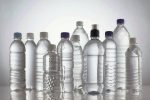
Biocrux India recycling PET bottles for the plastic and paint industry
What do most folks in India do with PET mineral water bottles after using up the contents? They either dump it in a trash bin (if there’s one close by) or keep it for reuse, which is quite hazardous for health. Biocrux India aims to change this process with its 360° solution for plastic waste which is a recycling mechanism featuring a compact bottle crusher that converts PET bottles into flakes to be used as raw material for making resin. This recycled resin can then be used for manufacturing various plastic products like trash bins, toilet cabins and even paint among others.

Aizawl and Gangtok receive Clean City Awards
Centre for Science and Environment (CSE), the New Delhi-based research and advocacy organization, organized a book release and discussion in Guwahati, where its latest publication titled, Not In My Backyard – was released by Assam chief minister Sarbananda Sonowal. The book is a comprehensive analysis of the state of solid waste management in Indian cities, including cities in the north-east.

Print is moving forward slowly but surely in color management
IppStar has been involved in three surveys including one with the Rochester Institute of Technology (RIT) that looked at the leading Indian offset printer’s awareness and use of color management. A more recent survey by another organization vindicated IPPStar’s training activity and pointed out that amongst its respondents only 17% use color management. This means that there is a huge opportunity for improvement in quality, print optimization, standardization and cost saving for printers that want to have a combination of excellence while saving time and cost.

Swedish paper manufacturer offers novel and sustainable packaging solutions
In a unique event organized by IPPStar, a leading packaging and print advisory services firm, stakeholders such as the Swedish paper packaging solutions provider Billerudkorsnas, the WWF (World Wildlife Fund), BNHS (Bombay Natural History Society), packaging designer and environmentalist Deepak Manchanda, Vatavaran, the National Council of Cement and Building Materials as well as brand owners and packaging converters deliberated on novel and sustainable packaging solutions in the Indian context. The main objective of the roundtable was to discuss the viability of unique and novel paper packaging solutions that minimize the use of plastics in and reduce littering as well as waste for landfills.

Tokyo Pack 2016 at Big Sight – 4 to 7 October
Europe finally is facing up to the same stark environmental and economic realities of producing goods in increasingly massive volumes that Japanese industry accepted more than two decades ago and has shaped Japan’s resource-aware approach to packaging production and design. Trailing behind but with Japan’s experiences to learn from, Europe now has an action plan and measures to nudge the Union’s 28 countries – or at least 27 of them – towards a manufacturing model based on a circular, rather than linear, model.

Universal Robots’s focus on the Indian packaging industry
Universal Robots (UR) is a fairly new company founded in 2005 and has brought in a brand new technology called Collaborative robots or co-bots meaning a man and a robot working together and they are totally different from standard traditional robots. UR has been around for only about seven to eight years now and this is a growing industry worldwide.