


Tag: Tetra Pak

Customization and flexibility with digital printing

Tetra Pak and Veolia join forces for PolyAl recycling

Tetra Pak’s plant management

Tetra Pak focuses on generating power from renewable sources
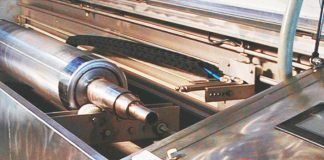
Flexo Wash has 60 installations in India
It all began over a quarter of a century ago, when Danish label printer Henning Kongstad got frustrated with the time and effort required to clean and maintain his printing press.

Recycled Tetra Pak cartons turned into benches and desks
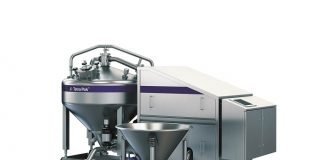
Tetra Pak’s new high shear mixer
Tetra Pak's next generation high shear inline mixer offers customers unparalleled ingredient mixing performance and lower operating costs. Featuring a radical new design that produces finer, more consistent

Tetra Pak uses over one-third green power
Tetra Pak recently announced that it now uses renewable electricity for more than a third of its total annual consumption worldwide. This is up from 22% in 2015.
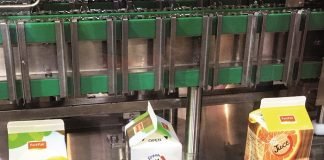
Can Uflex and the Chinese suppliers make an impact?
The aseptic paper board and laminated paper and foil solutions for liquid and food packaging continue to grow in product segments ranging from milk to alcoholic beverages. The main provider of both laminates and filling and sealing solutions in this segment has been Tetra Pak, which is practically the inventor of this category of packaging. While some forms of aseptic liquid packaging such as gable top cartons require a cold chain, the outstanding feature of the Tetra Pak has been its ability to significantly prolong the shelf life of food and beverage products without refrigeration.

Judging by the package
According to the Forest Stewardship Council (FSC), currently Asia, the Middle East and Africa comprise 34% of global packaging consumption whereas Europe is 34%, North America 27% and Latin America 5%. Russia, India, Brazil and China are estimated to be the source of about 30% of future global demand, a proportion that will increase as their economies develop further. Other trends in buying behavior imply an even greater need for packaging material. The sourcing of fiber to meet this demand can have particularly adverse impacts on ecologically significant areas, not just domestically, but also across the South-East Asian region. This reflects a larger need for India’s packaging industry to ensure it uses only sustainably sourced material when meeting its long-term raw material requirements.