The packaging industry across the world marked a significant milestone on 6 September 2026, with the first-ever World Packaging Day (WPD) celebrated globally.
The World Packaging Organisation (WPO) officially designated September 6 as World Packaging Day, coinciding with the anniversary of the organization’s foundation. The annual observance sought to create greater public understanding of the indispensable role packaging plays in modern society and to encourage a global dialogue on its future.
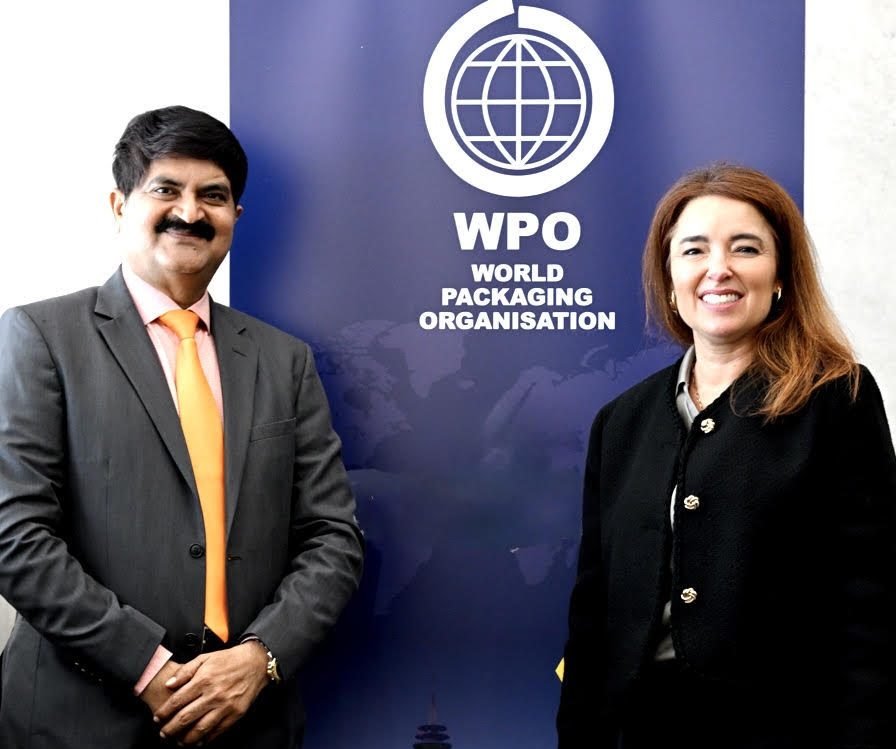
Packaging professional Chakravarthi AVPS, global ambassador of World Packaging Organisation, said for decades, packaging has been an invisible yet essential backbone of global supply chains—protecting food and pharmaceuticals, reducing product losses, enabling safe transportation, supporting international trade and bringing products safely to consumers.
World Packaging Day sought to broaden the conversation beyond packaging waste and highlight its wider contribution to health, food security, economic development, innovation and quality of life.
WPO President Luciana Pellegrino emphasized the everyday importance of packaging, noting that it is present in virtually every aspect of daily life, helping reduce losses and waste, enhance sustainability in consumption, and provide safe and convenient access to goods.
The inaugural World Packaging Day campaign was built around four key themes added Chakravarthi AVPS.
Packaging for Progress highlighted the contribution of packaging to healthcare, pharmaceutical safety, product security, accessibility and quality of life.
Packaging Against Food Waste focused on the role of packaging technologies in protecting food, extending shelf life, maintaining quality and safety, and reducing losses across the supply chain.
Packaging and Economic Growth showcased packaging as an important enabler of manufacturing, e-commerce, logistics, exports, international trade and employment.
Packaging and Sustainability drew attention to circular economy principles, eco-design, recyclability, lightweighting, mono-material solutions and innovations in sustainable packaging.
A global movement with a lot of local participation, said Chakravarthi. World Packaging Day is a decentralised, participatory global movement, with packaging associations, manufacturers, converters, machinery companies, material innovators, educational institutions, brands and other stakeholders encouraged to organize activities under the common World Packaging Day identity.
The initiative involved policymakers, retailers, supply-chain stakeholders, researchers, NGOs, media and consumers, creating a broader platform for dialogue on the future of packaging.
India’s packaging industry has an opportunity to lead. For India, World Packaging Day provided an important opportunity to showcase the country’s growing packaging ecosystem and its innovations in sustainable materials, printing, converting, machinery, logistics and product protection.
Indian packaging companies, industry associations, educational institutions and professionals used the occasion to demonstrate how packaging is contributing not only to business and exports but also to food security, healthcare, employment, sustainability and consumer welfare.
The global campaign encourages organizations to share their initiatives, innovations, events, photographs and videos through social media using #WorldPackagingDay.
World Packaging Day came at a time when packaging is often discussed primarily through the lens of waste and environmental impact. While responsible end-of-life management remains critical, the WPO initiative seeks to bring greater balance to the conversation by recognising the value packaging creates throughout the product lifecycle.
From preventing food spoilage and protecting medicines to enabling e-commerce and international trade, packaging performs functions that are fundamental to modern life.
World Packaging Day 2026 represented more than an annual observance—it was a global call to recognize packaging as an enabler of progress and to accelerate collaboration towards a safer, more innovative, inclusive and sustainable future.