Despite currency volatility, geopolitical uncertainty and rising raw material costs, India’s flexible packaging sector remains on the growth trajectory, with major converters operating at near-full capacity and continuing to invest in new equipment, according to Bobst India.
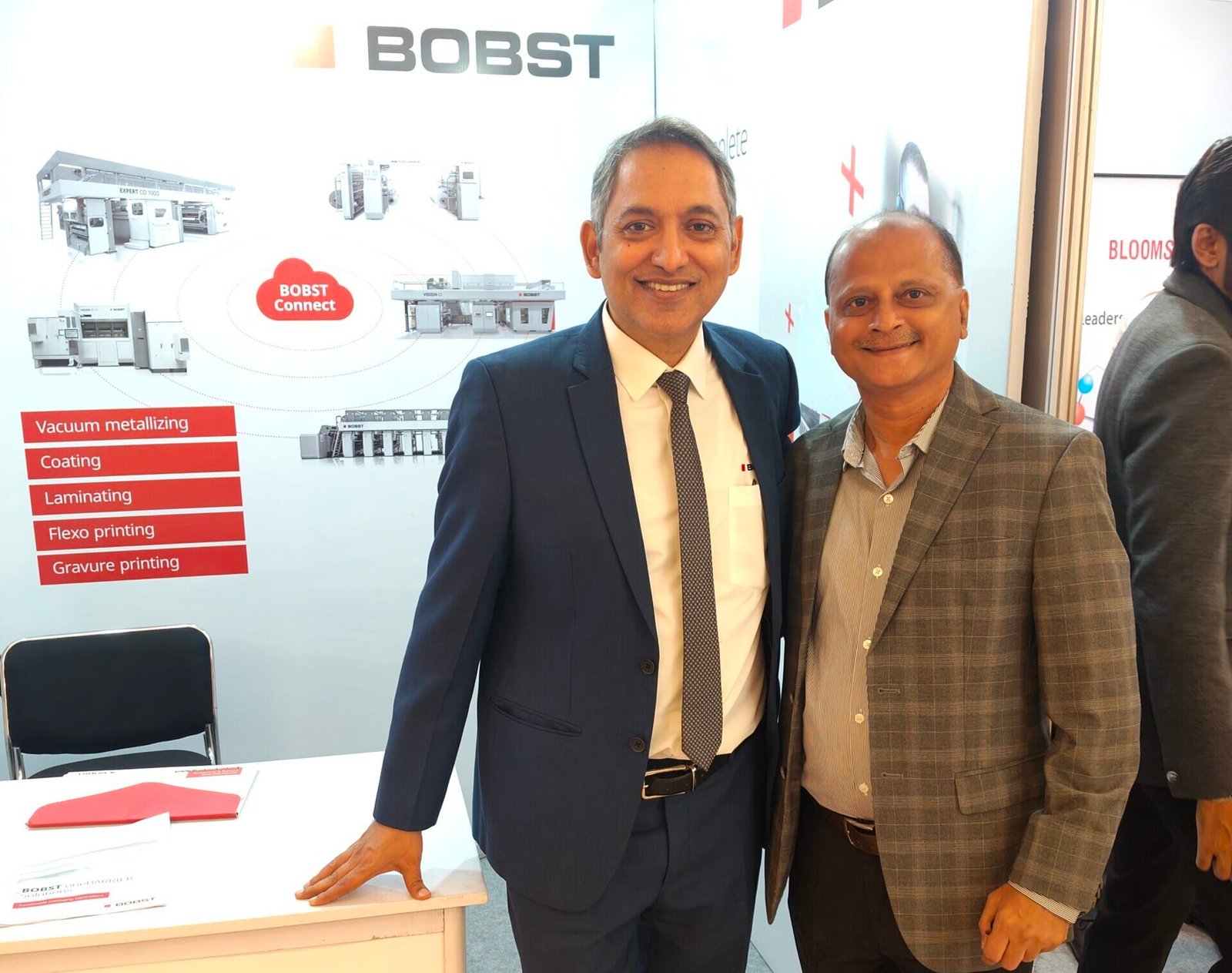
Speaking to Packaging South Asia on the sidelines of Respack 2026 in Mumbai, Nilesh Pinto, zone business director, Bobst India, said the depreciation of the Indian rupee against the Euro and Swiss Franc has increased the cost of imported capital equipment for converters. However, he asserted that currency fluctuations have limited significance when viewed against the long operating life, efficiency and productivity benefits of high-performance packaging machinery.

According to Pinto, packaging equipment is typically a long-term investment, with many Bobst machines remaining productive for 15 to 30 years. “Converters increasingly focus on factors such as overall equipment efficiency, throughput gains and material savings rather than short-term currency movements,” he said. Given that raw materials account for roughly 80% of production costs in flexible packaging, even marginal improvements in wastage, efficiency, and throughput can generate savings that far outweigh increases in equipment acquisition costs.
While currency fluctuations have had a limited impact on investment decisions, Pinto identified geopolitical tensions and raw material inflation as more significant concerns for the industry. Sharp increases in substrate prices have placed pressure on converter working capital requirements, particularly among smaller companies.
He noted that larger converters with better working capital access have been better positioned to absorb these cost increases and maintain service levels. As a result, some brand owners have had to shift business towards larger packaging suppliers capable of guaranteeing delivery and operational stability.
According to Pinto, most major flexible packaging converters in India are currently operating at or near capacity utilization. He said conversations with industry participants over recent weeks suggest that many large converters could immediately utilize additional production capacity if it became available.
Bobst had initially anticipated a slowdown in investment activity in 2026 due to global economic uncertainty, but the Indian market has proved more resilient than expected. Pinto said the company has witnessed continued investment interest from converters, although some projects have been temporarily delayed as customers await clarity on regulatory developments, geopolitical events and raw material price trends.
He expects a stronger rebound in capital expenditure once uncertainty surrounding international conflicts and domestic regulatory issues subsides.
Looking ahead, Pinto remains optimistic about the outlook for India’s flexible packaging market. He noted the last few years witnessed significant investments across the packaging value chain, particularly in film manufacturing. The rapid addition of new film production lines could create excess supply over the next 12 to 18 months. However, he believes this may be a temporary condition, and the sector’s long-term growth prospects remain intact given rising consumption, sustained demand for packaged goods and good export potential.
On industry consolidation, he said mergers and acquisitions have produced mixed outcomes in the flexible packaging segment. While consolidation has occurred in certain areas of the packaging industry, successful integration remains challenging because operational, cultural and strategic factors must align for acquisitions to deliver long-term value.
Despite near-term challenges, Pinto said India remains one of the world’s most attractive packaging markets, supported by strong domestic demand, continued investments and growth rates significantly above the global average.