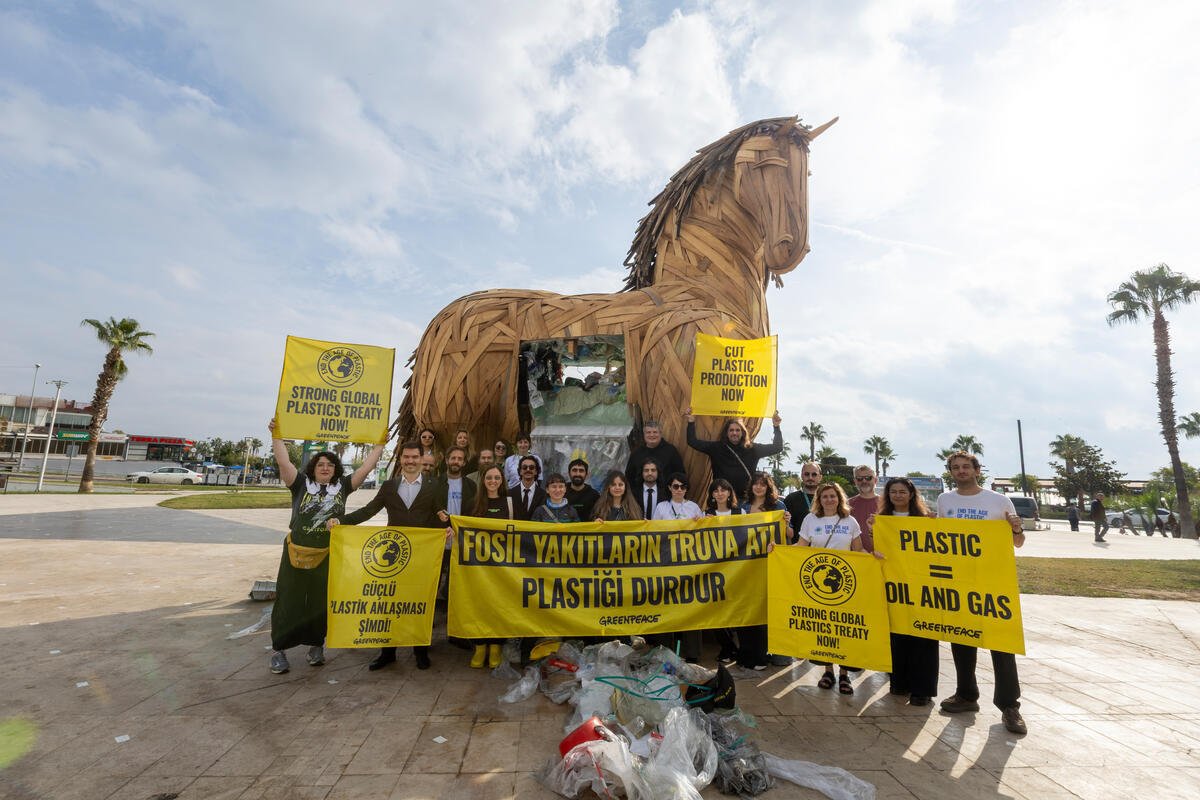
At COP31 in Antalya, Türkiye, plastic and packaging garnered attention. The big idea is to stop treating plastic and climate change as two separate problems, since they are connected. While COP summits can’t force global packaging rules on anyone, this one is shaping up as a big warm-up fight before the next UN Global Plastics Treaty talks.
According to multiple reports, Türkiye’s Zero Waste push led the COP31 presidency to float some targets for 2035: slow down global waste growth and use more circular materials. Packaging makers and suppliers would have to get in line with tough, changing rules, a bit like the EU’s Packaging and Packaging Waste Regulation (PPWR), which brought in strict requirements on design, recyclability and reuse. As well as India’s own plastic management rules.
GAIA and Break Free From Plastic launched the Everything Reuse Toolkit, and it’s a big deal for the packaging world.
The launch of the resource — Publication 1: Terminology, Taxonomy and Guiding Principles — on 16 November 2026 aimed to bring reuse into the wider climate conversation—highlighting the need to move beyond waste management and recycling toward approaches that reduce consumption of resources and prevent waste and pollution at the source.
There are two aspects to this. One shared system for sorting reuse, which sorts reuse by item type (product vs. packaging) and by what happens in the next reuse cycle.
Where the money should go: It gives policymakers and businesses a blueprint for moving cash away from single-use infrastructure and into organized, commercial reuse systems.
“As more countries and businesses commit to reuse, a shared understanding of what constitutes reuse and a practical framework for classifying different reuse approaches can help shape clearer policies and direct financing towards diverse reuse models,” said Ambily Adithyan, co-author of Everything Reuse and Regional Zero Waste Officer at GAIA.
Pressure groups
Small Island Developing States, led by Fiji and Vanuatu, dropped a paper at the summit called The Plastic-Climate Nexus for SIDS. They want COP31 outcomes to officially admit that plastic pollution and climate risks make each other worse. Their message is basically that cutting emissions only gets you halfway if plastic waste keeps washing up on their beaches.
Greenpeace and other groups are using the climate stage to call for a 75% cut in global plastic production by 2040. They argue the petrochemical industry is betting on plastics as a backup plan to keep fossil fuels flowing.
Activists rolled out a giant ‘Trojan Horse’ built entirely from single-use packaging and everyday trash to call out industry lobbying. Created in collaboration with Danish artist Thomas Dambo for Greenpeace’s plastics campaign, the installation is six meters high and four meters wide and poured out plastic when the trapdoor in its belly opened. It carried a message to world leaders gathering for climate negotiations: plastic is the big oil’s Trojan Horse.
Jacob Kean-Hammerson, Global Plastics Policy Lead at Greenpeace USA, said, “Plastic is Big Oil’s Trojan Horse – a way to keep profiting from fossil fuels and continued climate emissions and pollution.”
Reports said the COP31 venue itself ditched single-use plastic water bottles in favor of infinitely recyclable aluminum cans.