waste - search results

Adani Wilmar to shift to recyclable flexible packaging laminate
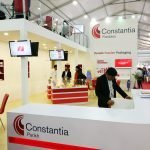
Constantia Flexibles to invest INR 100 crore in a new India plant
Austrian flexible packaging solutions provider Constantia Flexibles has announced its plans to expand its production capacity at its Indian subsidiary Parikh Packaging, in Ahmedabad, Gujarat, and will be investing Rs. 100 crore in the project.
Valence, ViewAxis & DetectAXIS – process, quality controls
ATE Enterprises, the printing and packaging solutions provider, has been serving the market for the last 75 years. The company started off during India's freedom movement by selling high-quality

Smooth application of packaging
RPC M&H Plastics has produced a new flexible tube to package and apply Crown Paints’ matchpot samples. The new tube features a built-in applicator sponge designed to apply

SAVE FOOD initiative passes the 1,000 member mark
Established in 2011, membership of the SAVE FOOD Initiative has now passed the 1,000 member mark. The 1,067 supporters currently registered include groups of companies
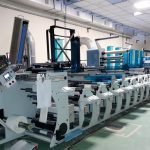
Vinsak receives a repeat order from Manipal
VINSAK, one of the prominent leaders in printing industry, secured a repeat order from Manipal International Printing Press to install Lombardi Flexo Press along with VINSAK USAR Slitter

Kendall Packaging adds 10c MIRAFLEX II AM Press
Kendall Packaging has completed the expansion of its Pittsburg, KS plant with the installation of a 10c MIRAFLEX II AM press from Windmoeller & Hoelscher. The new press is just one part of a US$ 10

Some packaging-related trends for 2018 – Part 2
The most important trend in the Indian economy as well as the Indian packaging industry is hardly a trend; it is more or less a fact of life – uncertain and gradual but positive expansion of the industry and the continued evolution in its use of technology and best practices.

Seminar to discuss new developments and trends in label printing
Vinsak, a global pioneer in print and packaging, organized a seminar titled ‘Labelling Simplified’ at Hotel Tunga Regale, Mumbai in December 2017.
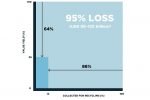
The New Plastics Economy
The third installment of our series on Circular Economies focuses exclusively on The New Plastics Economy initiative. In this article, we will review and quote extensively from the