The introduction of Deposit Refund Schemes (DRS) marks a significant step toward building a more sustainable and circular economy. By adding a small refundable deposit to beverage containers, DRS encourages consumers to return used packaging, enabling efficient recycling and reducing environmental impact. With return rates often exceeding 90%, DRS has proven to be one of the most effective waste management systems globally.
In India, the state of Goa has recently implemented a DRS initiative, led by the Goa Coastal and Environment Management Society (GC&EMS). This move is expected to set a strong precedent for other regions while creating new opportunities and challenges for the printing and packaging industry.

A critical component of DRS is the integration of serialized QR codes on packaging. These codes go beyond anti counterfeiting. They enable complete traceability across the product lifecycle, from manufacturing to consumption and ultimately to recycling.
For converters and brand owners, this means adopting technologies that can reliably print high quality, scannable, and durable codes at production speeds. Jetsci systems are aimed to meet these requirements with precision and consistency.
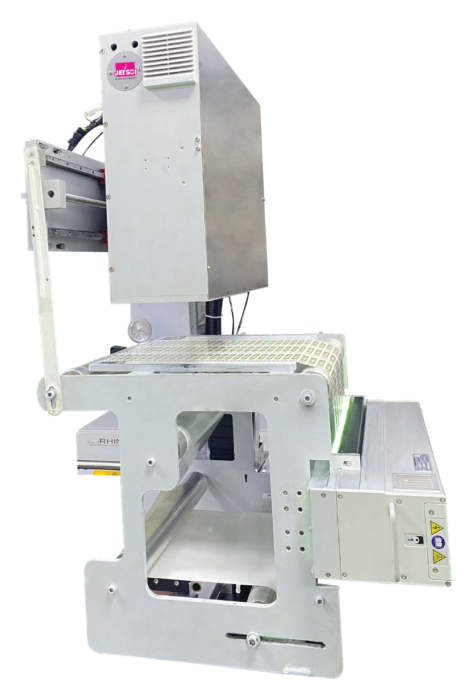
For DRS compliance, QR codes must remain readable throughout the product lifecycle. Advanced Jetsci Drop on Demand UV inkjet systems address this requirement effectively. Using UV curable inks, these systems produce durable and long lasting prints that resist wear and environmental exposure. This ensures that QR codes remain intact and scannable from production to post consumer return.
“DRS is a strong step toward building a sustainable ecosystem. With high quality inkjet variable data printing and robust traceability, we can not only ensure compliance but also enable a more efficient recycling system,” says Neeraj Sharma, VP, sales at Jetsci Global.
Jetsci VDP inkjet systems are designed to integrate seamlessly with serialization software and DRS platforms. They can generate and print unique serialized identifiers at high speeds, whether installed inline with printing presses or offline on converting and slitting machines. This flexibility allows manufacturers to adapt based on their existing production setup and volume requirements.
Accuracy is critical in DRS implementation. Vision inspection systems play a key role in ensuring that every printed QR code is correct, readable, and unique. Jetsci solutions incorporate inspection capabilities that verify each code against input data, detect misprints or duplicates, and generate detailed reports. This ensures compliance while maintaining a reliable database for traceability and auditing.
While the benefits of DRS are clear, implementation comes with challenges. Packaging designs may need to be modified to accommodate QR codes, and additional processes such as data management, inspection, and correction can impact production efficiency. Manufacturers and converters must plan these changes carefully to minimize disruption while ensuring compliance.
The investment required for DRS enabled printing depends on several factors, including print width, number of printheads, production volume, and whether the system is installed inline or offline. Each setup is unique, and businesses must evaluate their operational needs to determine the most cost effective and scalable solution.
The success of similar initiatives such as projects implemented in Char Dham regions of Uttarakhand indicates strong potential for wider adoption of DRS across India. As sustainability becomes a priority, more states are likely to introduce such regulations, further driving the need for advanced printing, serialization, and traceability solutions. Jetsci is well positioned to support this transition.
DRS represents a transformative opportunity for both environmental sustainability and technological advancement in packaging. Jetsci inkjet based variable data printing, combined with robust inspection and serialization systems, plays a central role in enabling this shift. For converters and manufacturers, the time to adapt is now. With Jetsci systems ready for DRS, businesses can meet regulatory requirements while contributing to a more sustainable future.