Across India’s rapidly evolving label printing landscape, digital label printing is now more than an auxiliary option for short runs; it is becoming an engine for growth in the consumption economy. Driven by growth in FMCG, direct-to-consumer brands, craft spirits, pharmaceuticals, premium and specialized cosmetics, converters across India are adopting digital label presses to meet the demand for quality, substrate flexibility, shorter volumes, and more SKUs with rapid turnarounds. The latest digital presses still use electrophotography, liquid toner, and inkjet technologies.
Historically, printing techniques such as letterpress, flexography, and gravure dominated label production. While highly cost-effective for high-volume runs, traditional setups require physical plate creation, extensive ink mixing, and setup times that can delay job turnaround by days or weeks. Brand owners who can no longer afford those delays with seasonal campaigns, localized packaging, promotional variations, and regulatory updates such as track-and-trace requirements in pharmaceuticals are demanding flexible run lengths with near-instant delivery.
Digital label presses eliminate plate costs, prepress setup bottlenecks, and high minimum order quantities. Printing directly from digital files allows label converters to deliver finished, high-resolution work in a matter of hours, enabling brand owners to practice just-in-time inventory control, drastically reducing print waste and warehousing costs.
Manasa Graphics
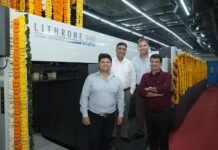
Chennai-based Manasa Graphics, a label and commercial printer for the home appliance industry, utilizes Konica Minolta’s AccurioLabel 230 digital press. The company is a well-known supplier of vinyl stickers, dome labels, PVC stickers, polyester stickers — extra gum stickers, diagram stickers, POP labels, Energy Star stickers, rating and paper labels. Multiple substrates, diverse demands, and timely delivery are all enabled by a single digital production engine.

Muralidharan Nair, founder and director of the company, explains that as a home appliance manufacturer became a repeat customer, the printer kept growing its capacity. In 2012, when customers needed promotional materials and installation manuals, especially for South India, it expanded its commercial printing pressroom.
In Nair’s opinion, a key factor driving digital adoption in India is the sheer diversity of substrates that modern digital label systems can handle. Advances in digital press technology, particularly UV inkjet and electrophotography, allow print providers to process an unprecedented range of materials without compromising run speed or ink adhesion. Converters can easily switch between clear-on-clear films for personal care, textured papers for artisan products, metallic foils, and synthetic media for industrial applications.
Spectalpack
Bengaluru-based Spectalpack has positioned digital printing as a faster and more flexible alternative to conventional flexible packaging, enabling brands to launch new products in as little as seven to 10 days. It began operations with one HP Indigo 25K digital press at its old Bengaluru plant. The company added two HP Indigo 200K presses to its new Bengaluru plant in the past year, moving the Indigo 25K to the recently launched Noida plant.
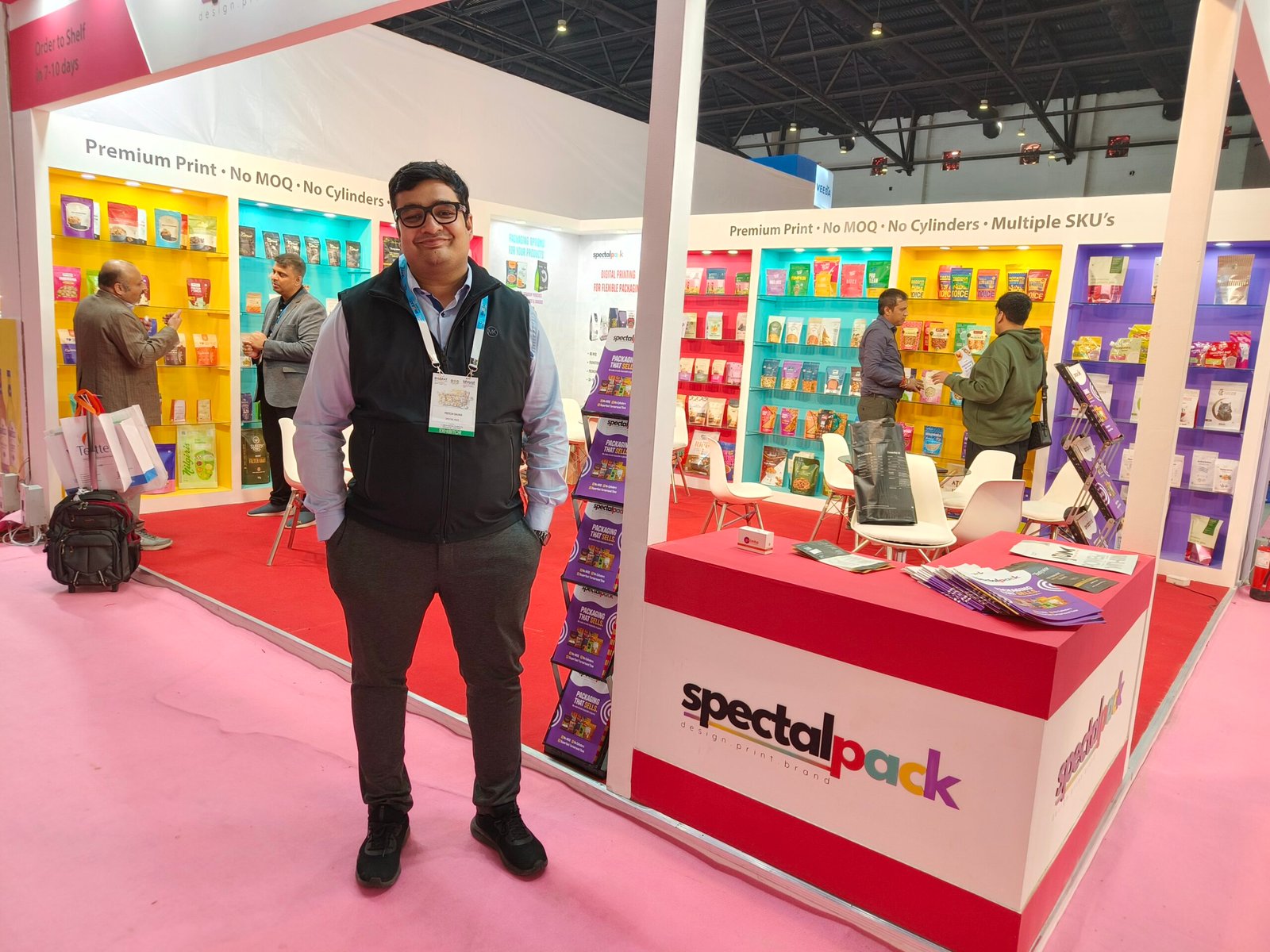
Founded in 2024, SpectalPack has worked with more than 700 brands as a product launch and innovation partner rather than a conventional packaging supplier. The company offers digital printing across a range of flexible packaging formats, including pouches, sachets, shrink sleeves, wraparound labels and cold-seal applications.
According to the company, digital printing has a significant role in promotional campaigns, regional marketing and anti-counterfeit packaging. The technology allows each pack to carry different graphics, text, or QR codes, enabling personalized consumer engagement and improved product traceability.
Beyond pressure-sensitive labels, short-run digital presses have quickly expanded into growing segments such as pouches and full-body shrink sleeves for beverage containers. By handling multiple high-value applications on a single line, converters can easily diversify their service offerings to access higher-margin market segments and even supply mid- to long-run orders.
Prateek Graphics
Prateek Graphics, a subsidiary of Prateek Metal Industries, is the first Indian buyer of Epson’s latest innovation, the SurePress L-6534VW UV all-in-one label press, installed at its new plant in Sonipat. A leading manufacturer of printed labels and stickers in North India, it offers a comprehensive range of high-quality solutions for diverse segments, with a particular emphasis on the electronics and home appliance industries.
It supplies roll-form labels, paper stickers, PU dome labels, vinyl stickers, polycarbonate membrane stickers, and metal plates to clients across the electronics, appliances, automotive decals, pharmaceutical, medical, consumer goods, and commercial equipment industries. Customers include Bajaj, Usha, LG, Sunflame, and Prestige.

According to the company, digital technology ticks all the boxes with speed, substrate versatility, high-quality output, and Epson’s auto-cleaning feature on the PrecisionCore printheads. The inline digital UV varnish feature is icing on the cake. The all-in-one UV digital press has enabled it to meet the growing demand for premium label printing, short-run, and variable data solutions with matt, gloss, spot UV, and varnish printing in a single pass.
The surge in brand SKUs across India is accelerating digital transition. Modern consumer brands frequently launch targeted product variations, regional language labelling, and limited-edition runs to capture segmented and niche markets. Digital presses handle variable data – enabling printing of sequential batch numbers, QR codes, personalized messaging, and anti-counterfeiting features in a single pass. Converters no longer need to halt presses or change physical plates to swap artwork between different product variants, enabling them to produce dozens of unique design variations back-to-back with energy and cost efficiency.
While long-run flexo remains essential for high-volume manufacturing, the integration of digital presses into existing print shops has created an efficient hybrid model. Converters leverage flexo for massive baseline orders while routing short-to-medium runs, localized variants, and tight-deadline emergency reorders to digital equipment. As investments in automated workflow software, inline digital embellishments, and energy-efficient curing systems continue to rise, digital label technology is firmly established as a cornerstone of the modern Indian packaging industry.