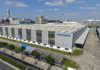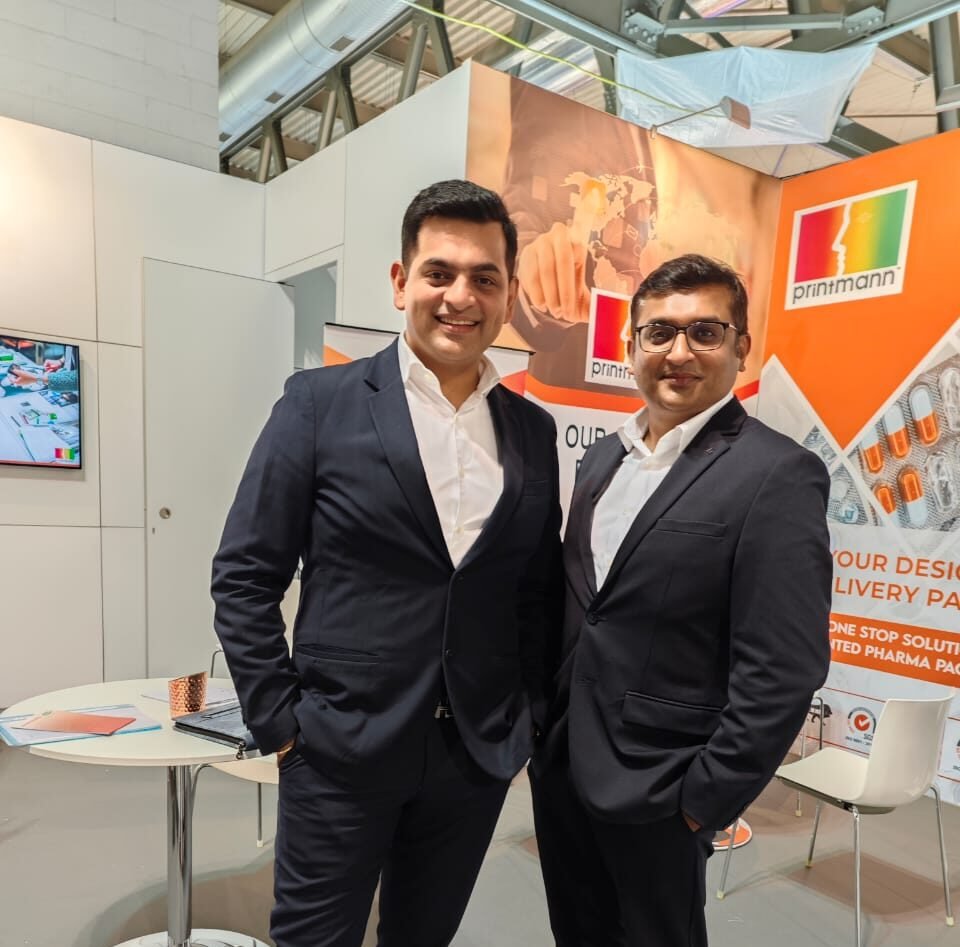
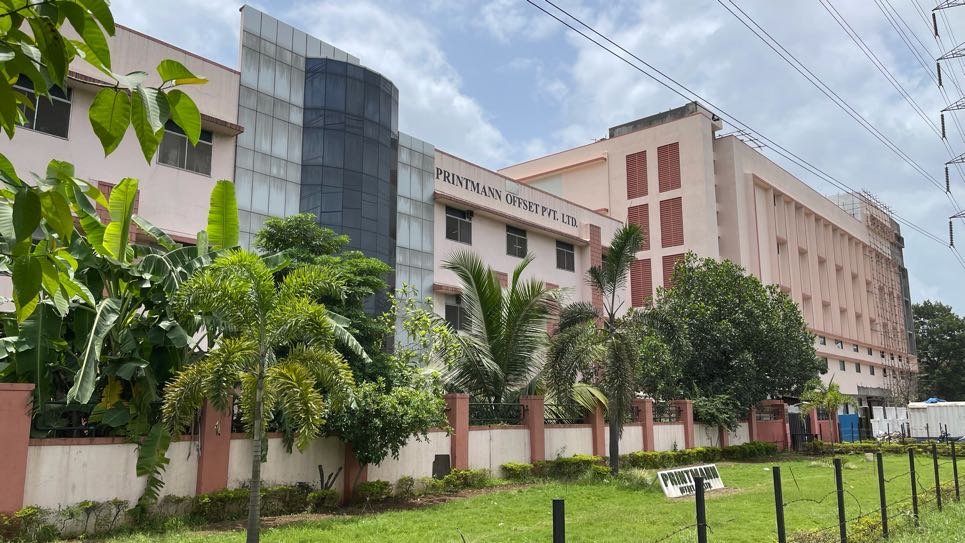
Mumbai-headquartered packaging services provider Printmann Offset is accelerating its southern India expansion with a new 150,000-square-foot manufacturing facility in Hyderabad; a move the company says will strengthen its ability to serve one of the country’s fastest-growing packaging markets while supporting its broader ambition of becoming a pan-India packaging player.
The new plant, expected to be operational before the end of the current financial year, follows Printmann’s majority acquisition of Hyderabad Security Printers & Offset Printers (HSOP). The deal that marked the first major step in the company’s ‘Printmann 2.0 & Beyond’ growth strategy unveiled in 2024 includes diversification beyond pharmaceuticals. The Tannas of Printmann speak about why they see current global disruptions as an opportunity for the packaging industry.
According to directors Ankit Tanna and Tejas Tanna, the Hyderabad expansion is about far more than adding production capacity. The facility is intended to serve as a strategic hub for customers across Telangana, Andhra Pradesh, Karnataka, and Tamil Nadu, allowing the company to strengthen its presence in southern India while reducing delivery times and improving service levels.
“Mumbai continues to be our primary hub, but Hyderabad allows us to cover a much larger geography efficiently,” the directors said. With improving road infrastructure, they believe customers located within a 600-800 kilometer radius can increasingly be served through overnight logistics networks. Together, the Mumbai and Hyderabad facilities are expected to provide access to nearly half of the Indian market.
The company’s comprehensive range of packaging solutions includes cartons, labels, leaflets, and aluminum foil, spanning both primary and secondary packaging.
Building on the HSOP acquisition
The Hyderabad expansion follows the company’s majority acquisition of HSOP, an established packaging business with a strong regional customer base and long-standing reputation in the market. The directors described HSOP as a well-established operation with experienced management, strong customer relationships and an excellent reputation among pharmaceutical and packaging buyers in the region.
Rather than replacing the existing management team, Printmann has continued working closely with the founding family, a factor the company says has contributed significantly to the smooth integration of the business. Alongside the acquisition, Printmann is now investing in substantial new capacity in Hyderabad. The upcoming plant will be designed as a future-ready facility incorporating modern manufacturing systems, sustainability measures, and ESG-compliant infrastructure from the outset.
The company expects the Hyderabad market to continue delivering double-digit growth over the next five years and believes the new facility will position it to participate in that expansion.
Diversifying beyond pharmaceuticals
While pharmaceuticals remain Printmann’s largest business segment, the company is increasingly focused on broadening its customer mix. At present, roughly 85% of revenues come from pharmaceutical and healthcare packaging. Over time, the company expects food and beverage, FMCG, and personal care customers to account for 20-25% of overall revenues while continuing to grow its healthcare operations.
A central component of that diversification strategy is Pakcellence, which focuses on innovative and sustainable solutions, including the burgeoning gable top business. Pakcellence is a wholly owned subsidiary of Printmann.
Through Pakcellence, the company has introduced paper-based gable-top packaging formats designed to help brands transition away from conventional plastic packaging. The directors said the objective is to compete through innovation and sustainability rather than pricing alone. As additional production capacity becomes available, Printmann expects these emerging sectors to become increasingly important contributors to growth.
Packaging gains strategic importance
The directors noted that packaging has moved well beyond its traditional role as a protective layer and is now central to branding, consumer engagement, and product differentiation. The rise of eCommerce, social media marketing, and direct-to-consumer brands has increased the importance of packaging design and functionality.
According to the company, packaging costs as a percentage of product value have risen significantly in recent years as brands invest more heavily in presentation and consumer experience. At the same time, regulatory pressure around sustainability is encouraging greater adoption of recyclable and paper-based packaging formats, creating new opportunities for innovation across the sector.
Consolidation gains momentum
The directors see consolidation as an increasingly important trend across India’s packaging industry. They argue that while the sector has traditionally consisted of numerous small and medium-sized businesses, larger players are becoming essential as multinational and national brands seek strategic supply partners capable of offering scale, consistency, and geographic reach.
According to Ankit and Tejas Tanna, acquisitions provide a faster and more efficient route to expansion than building entirely new operations from scratch, particularly when acquiring established businesses with strong customer relationships and local market knowledge.
Having successfully integrated HSOP, Printmann intends to continue evaluating acquisition opportunities as part of its long-term growth strategy. “The company’s stated objective is to increase market coverage from roughly 50% of the country today to 75-80% over the next three to five years, which is likely to require additional expansion beyond western and southern India,” the directors said.
Execution takes priority
While acquisitions, diversification, and export growth remain key pillars of the company’s roadmap, the directors said that the next phase of Printmann’s development will be focused primarily on execution. Alongside growing its Hyderabad operations, the company aims to expand exports from its Mumbai facility and increase the contribution of non-pharmaceutical businesses. Exports are expected to be an important growth driver in the coming years.
Although further acquisitions remain under consideration, the company believes the plans already underway provide a clear growth pathway for the next three to five years. With new capacity being added in Hyderabad, diversification initiatives gaining traction, and consolidation reshaping the industry landscape, Printmann sees itself entering a new phase of expansion as India’s packaging sector continues to evolve.
Digital printing enters the conversation
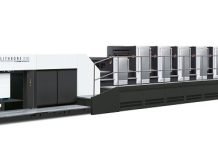
Printmann has traditionally operated across offset, gravure, and flexographic printing technologies, but management acknowledged that digital printing is increasingly becoming part of the industry’s future. The company has been evaluating digital printing technologies over the past 18 months and believes advancements in color reproduction, short-run production, and SKU management are making digital solutions increasingly attractive. While no investment decision has yet been announced, the directors said digital printing can no longer be ignored by packaging converters seeking long-term competitiveness.
Middle East tensions create challenges and opportunities
The directors addressed concerns surrounding the ongoing geopolitical tensions in the Middle East, which have contributed to volatility in oil prices, logistics costs, and raw material markets. While the packaging industry has experienced cost pressures as a result, they view the current environment as a catalyst for innovation rather than a long-term threat.
According to them, many companies are focusing excessively on short-term increases in raw material prices without considering the broader economic cycle. They noted that the industry experienced relatively subdued inflation and stable raw material costs for several years following the pandemic-related supply chain disruptions.
In his view, periods of inflation often trigger the next phase of growth by forcing companies to improve efficiency, rethink material choices and strengthen supply chains. The company expects current market conditions to accelerate the search for alternative packaging materials, increase interest in sustainable solutions and encourage closer partnerships between brands and packaging suppliers.
The directors argued that disruptions such as the current Middle East crisis ultimately push industries to innovate and adapt. Just as businesses restructured supply chains during the Covid-19 pandemic, they expect manufacturers and logistics providers to develop new routes, sourcing strategies and operating models if geopolitical risks persist.
Optimistic outlook
Despite ongoing uncertainties, Printmann remains optimistic about the future of India’s packaging sector. The company expects rising consumption, growing per-capita packaging usage, increased focus on sustainability, and continued formalization of supply chains to drive long-term demand growth. “The industry will emerge stronger, more efficient, and more innovative from the current period of disruption,” the directors said.