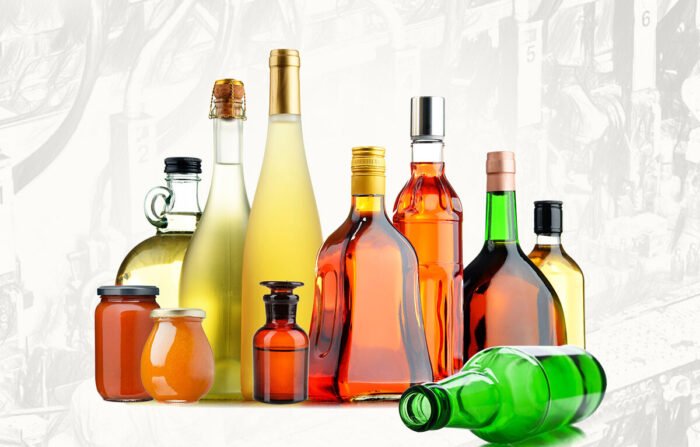
Glass packaging in India is witnessing steady growth, driven mainly by the food and beverage, liquor, and pharmaceutical sectors. As consumers, brands, and regulators move to reduce plastic use, the shift toward alternative recyclable materials is also fueling this segment’s growth.
In an interaction with Packaging South Asia, Suraj Mehta, chief strategy officer of Hindusthan National Glass and Industries (HNGIL), a major Indian container glass manufacturer, discussed sustainable trends, the shift toward premiumization, and how the company has maintained a significant share of the glass packaging market.

According to Mehta, brands are increasingly using glass to convey premium quality, especially in alcoholic beverages, specialty foods, and cosmetics, while manufacturers are focusing on lightweight designs and improved efficiency to manage costs.
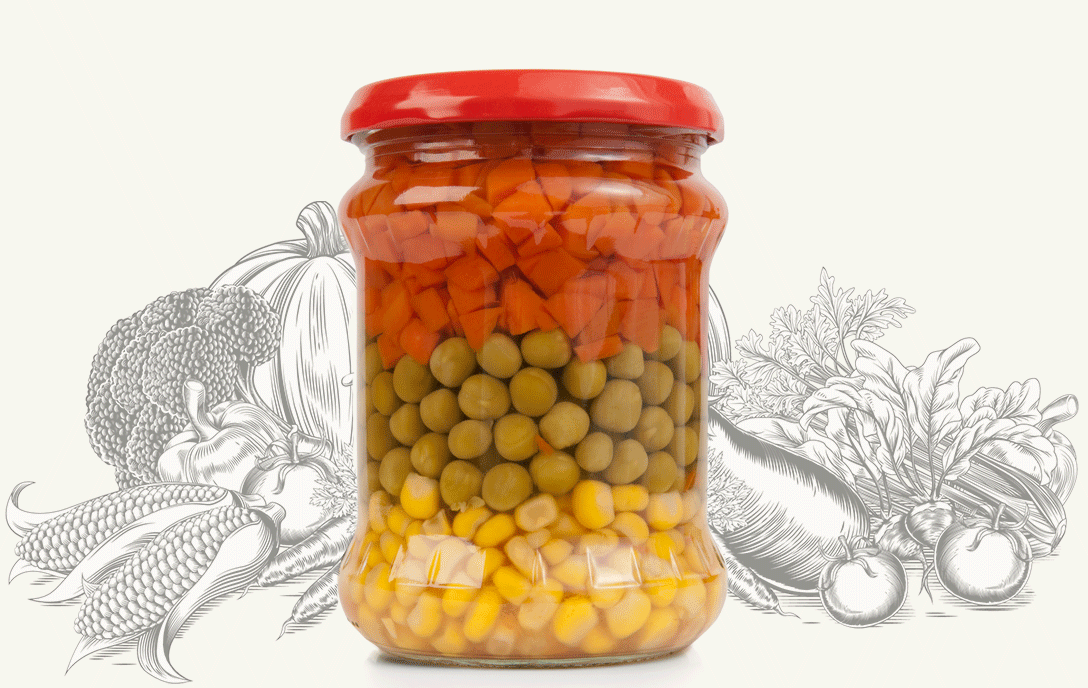
At the same time, expansion in organized retail, processed foods, and exports is supporting demand, although competition from cheaper packaging materials remains a challenge. Overall, the industry is being shaped by sustainability, premiumization, and rising consumption of packaged products. He says glass packaging is one of the safest and most reliable methods for storing food and beverages
“Made from natural materials, it is completely non-toxic and free from harmful chemicals. Glass can handle high temperatures without releasing any substance into the contents. Its non-porous surface prevents absorption of odors, flavors, or bacteria—keeping contents pure and fresh. It is easy to clean, transparent, and hygienic. As glass doesn’t react with what it holds, it preserves the true taste and quality of food, making it a smart, healthy choice for everyday living,” he said.
The product design is influenced by customer choice and preferences, ease of handling, and aesthetics for the particular segment it is made for. “Molten glass is cut into gobs and formed into bottles or jars in Individual Section (IS) machines. Processes such as blow-and-blow, press-and-blow, and narrow-neck press-and-blow (NNPB) are used depending on container type, with NNPB widely used for lightweight bottles,” he adds.
On manufacturing, he says artificial intelligence can be effectively integrated into container glass manufacturing to improve efficiency, quality, and cost control. AI systems can optimize furnace operations to reduce energy consumption, enable predictive maintenance to prevent equipment failures, and use vision-based inspection to detect defects more accurately. They can also analyze forming and production data to improve yield, reduce rejection rates, and enhance process stability.
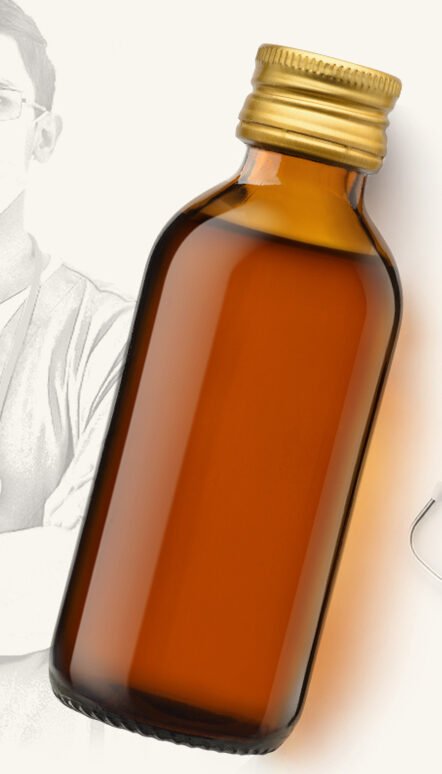
In addition, AI can support production planning, demand forecasting, and supply-chain optimization. “Overall, AI helps manufacturers lower costs, improve consistency, and increase operational reliability. Integrating this into the process is happening at different levels, although it is still very nascent in India. Huge opportunities exist, though,” he adds.
For HNGIL, India is emerging as a potential export hub for container glass due to its cost-efficient manufacturing, skilled workforce, and expanding production capacity. The country already supplies glass bottles and containers to many international markets, supported by growing demand for premium beverages, pharmaceuticals, and sustainable packaging.
“Rising domestic consumption is also helping manufacturers achieve scale and improve competitiveness. While challenges such as energy costs, logistics, and recycling infrastructure remain, continued investment in technology and efficiency could strengthen India’s position as a significant global supplier of container glass,” he concludes.