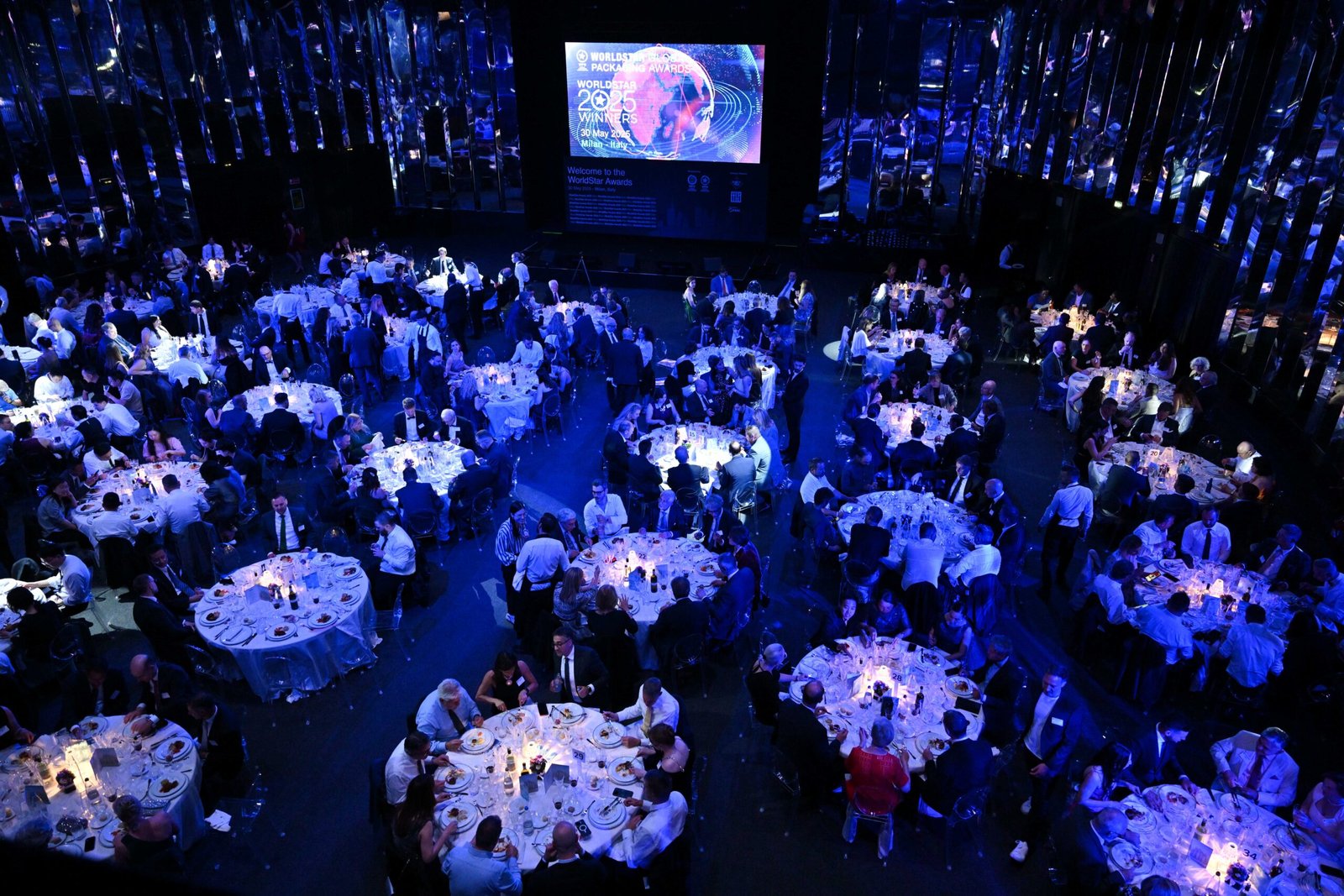
India’s packaging industry is not just catching up; it is significantly contributing to shaping the global conversation. From innovation to design excellence, the country’s growing influence is clearly visible at the World Packaging Organization’s (WPO) WorldStar Awards, where India and Asia as a whole continue to strengthen their global standing.
Packaging South Asia had an email chat with Soha Atallah, vice president – marketing at the World Packaging Organisation, to learn more about the presence of India and Asia at the awards, innovations in the field, and the cultural link to packaging.

India’s rise
Reflecting on recent trends, Soha points to India’s rise. “In recent years, we have seen a very strong rise in entries from India and the wider Asian region,” she says. The high point came in 2025, when India ranked number one globally with 56 WorldStar entries and secured 19 winners—“a historic moment that reflected the rapid progress of the Indian packaging industry.”

Although India submitted fewer entries in 2026, Soha puts the numbers in perspective. “WorldStar only accepts entries that have already won a recognized national or regional packaging competition,” she explains, adding that the absence of annual competitions in some countries affects eligibility in alternating years. What truly matters, she says, is the bigger picture. “India is becoming one of the strongest, most competitive, and fastest-growing contributors to WorldStar, both in quantity and quality.”
This momentum extends beyond India to South Asia, Southeast Asia, and West Asia (the Middle East). Participation from these regions continues to grow steadily, with entries demonstrating “high levels of creativity, functionality, and sustainability-driven innovation,” she says. Asia’s global position was further reinforced this year by Japan, which topped the list with 53 entries and 24 winners, which, she says, “demonstrates the exceptional strength of Asia in the global packaging landscape.”
Looking westward, Latin America remains a formidable player. “Latin America continues to be a strong and competitive region in WorldStar,” Soha notes. Brazil, in particular, stood out by ranking among the top five globally, with 39 entries and 17 winners. According to her, Brazil consistently delivers “a powerful combination of technical innovation, design excellence, and cultural richness.” While entries from countries such as Mexico and Chile are still relatively low, she expects participation to increase as regional competitions gain scale and visibility.
Africa, meanwhile, is emerging steadily. While entry numbers remain lower than in other regions, Soha observes that the quality is rising. “We are seeing increasingly competitive and high-quality submissions, particularly from South Africa,” she says, signaling strong future potential.
Packaging beyond sustainability
We asked how she looks at innovation in a global context beyond sustainability. Soha emphasizes that sustainability and circularity—while critical—are no longer the only focus. “Beyond sustainability, we are seeing innovation in smart packaging and digital integration such as QR codes, traceability, and authentication.”
She points to convenience and consumer experience, especially in accessible packaging design for the elderly or children, to ensure inclusive design for all age groups and abilities.
Material science breakthroughs, including lightweighting and barrier alternatives, supply-chain optimization using AI, especially for eCommerce and logistics, and active packaging to enhance food safety and extend shelf life, are some of the other focus areas.
Together, these developments reflect how packaging is evolving to meet modern consumer and logistics demands, she explains.
The cultural context
Packaging is not only technical—it is cultural. “Packaging is fundamentally a marketing tool, and marketing always begins with understanding your audience,” Soha explains. Culture plays a defining role, as colors, symbols, typography, and visual language can trigger very different emotions across regions. This is why global brands often adapt their packaging for local markets—whether through traditional patterns, local languages, or culturally meaningful design cues.
In this sense, packaging becomes more than a container; it becomes a messenger. “Packaging conveys identity, traditions, and emotional connection to consumers,” she says. One of her favorite metaphors brings this idea to life, “Just as we dress differently for different occasions and cultural settings, packaging too should be ‘dressed’ differently depending on the region and the audience.” This balance, she believes, is what makes packaging both universal and deeply rooted in culture.
Finally, Soha highlights the critical role of industry publications in shaping public understanding. “Many people focus only on packaging waste, but packaging is essential for food safety, product protection, and reducing food waste,” she says. Media platforms can help rebalance the conversation by highlighting sustainable innovations, educating consumers on proper disposal, and showcasing solutions that reduce environmental impact.
“We need more consumer-level education,” she concludes, “and media partners like you are key to spreading this message and promoting responsible, sustainable packaging.